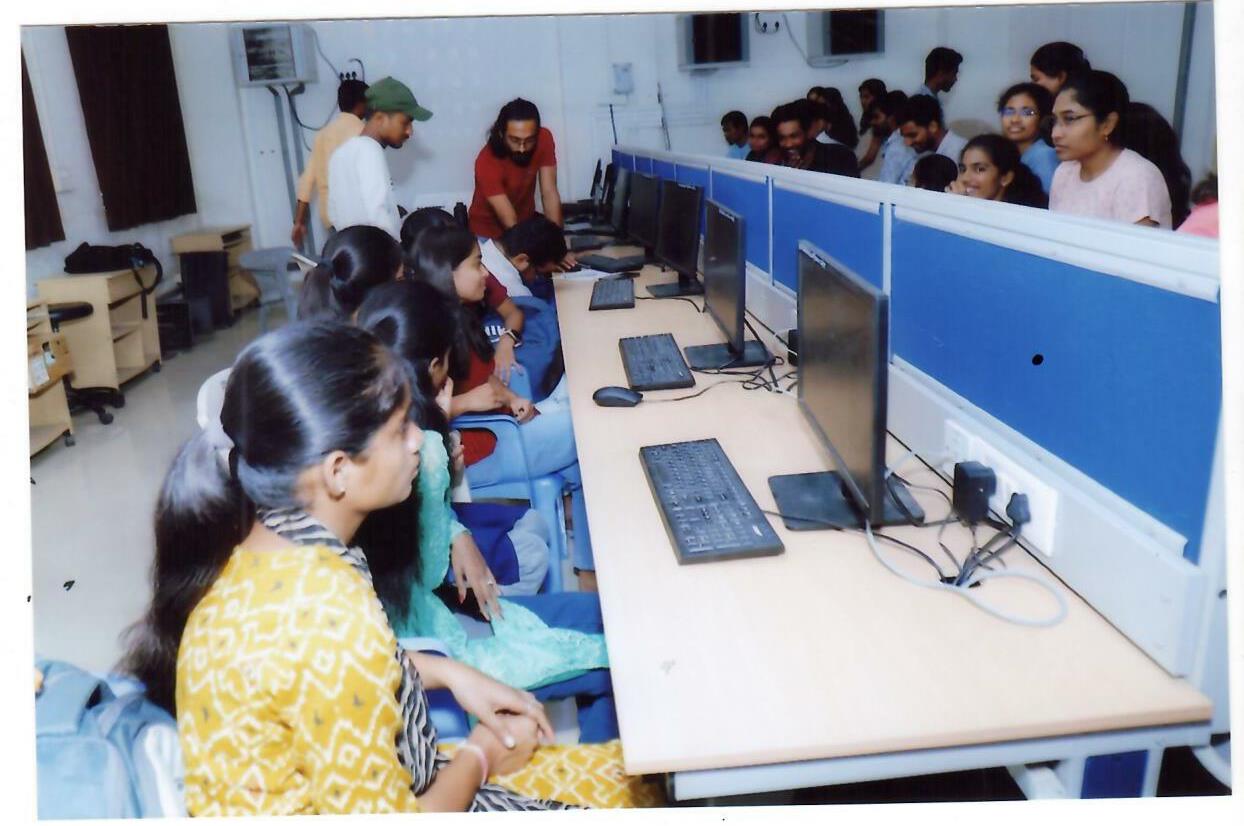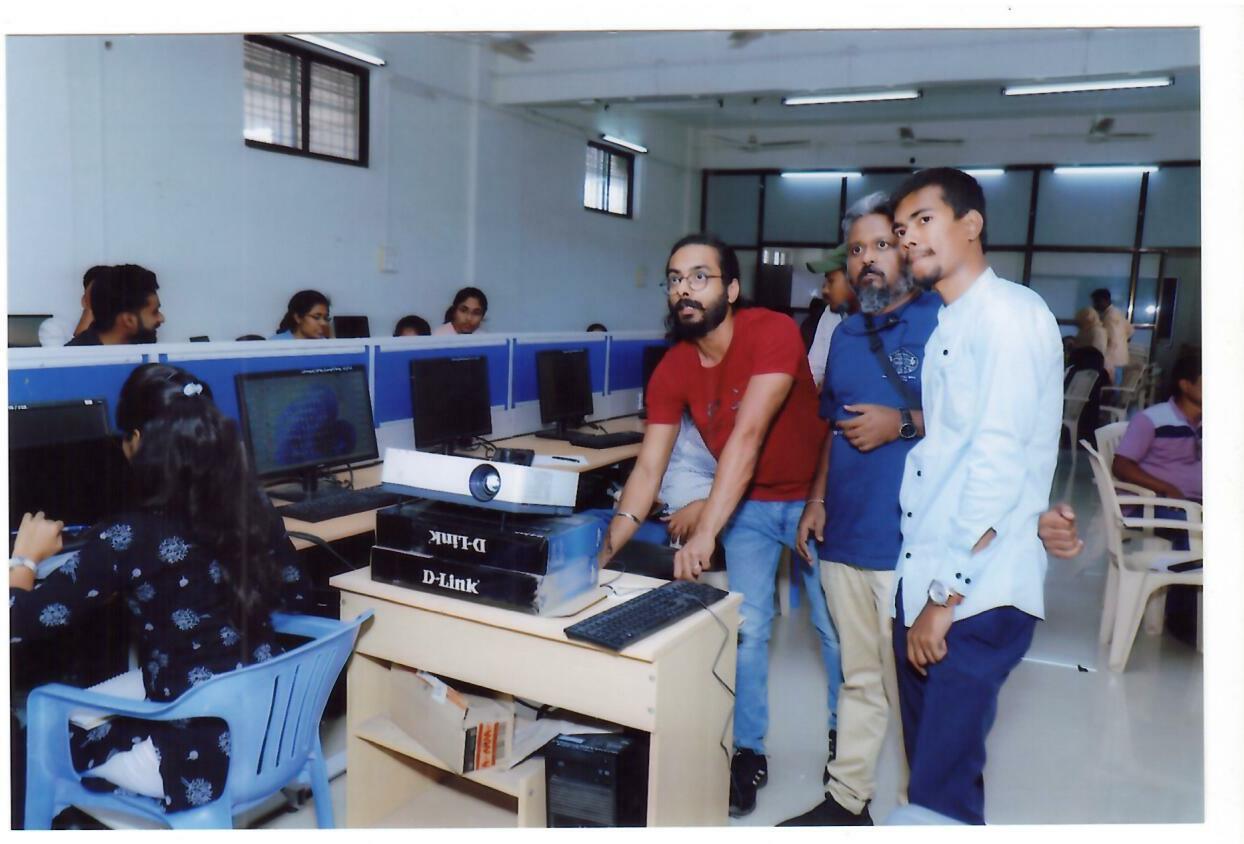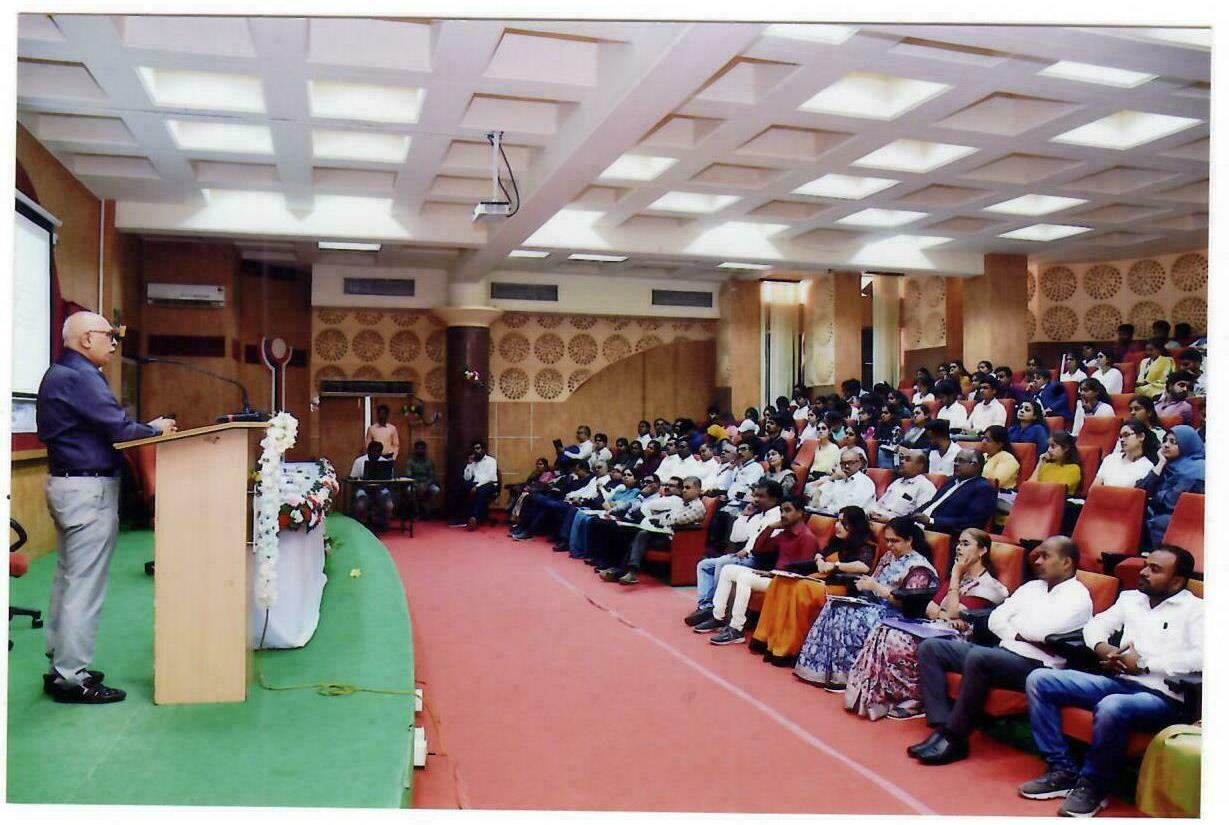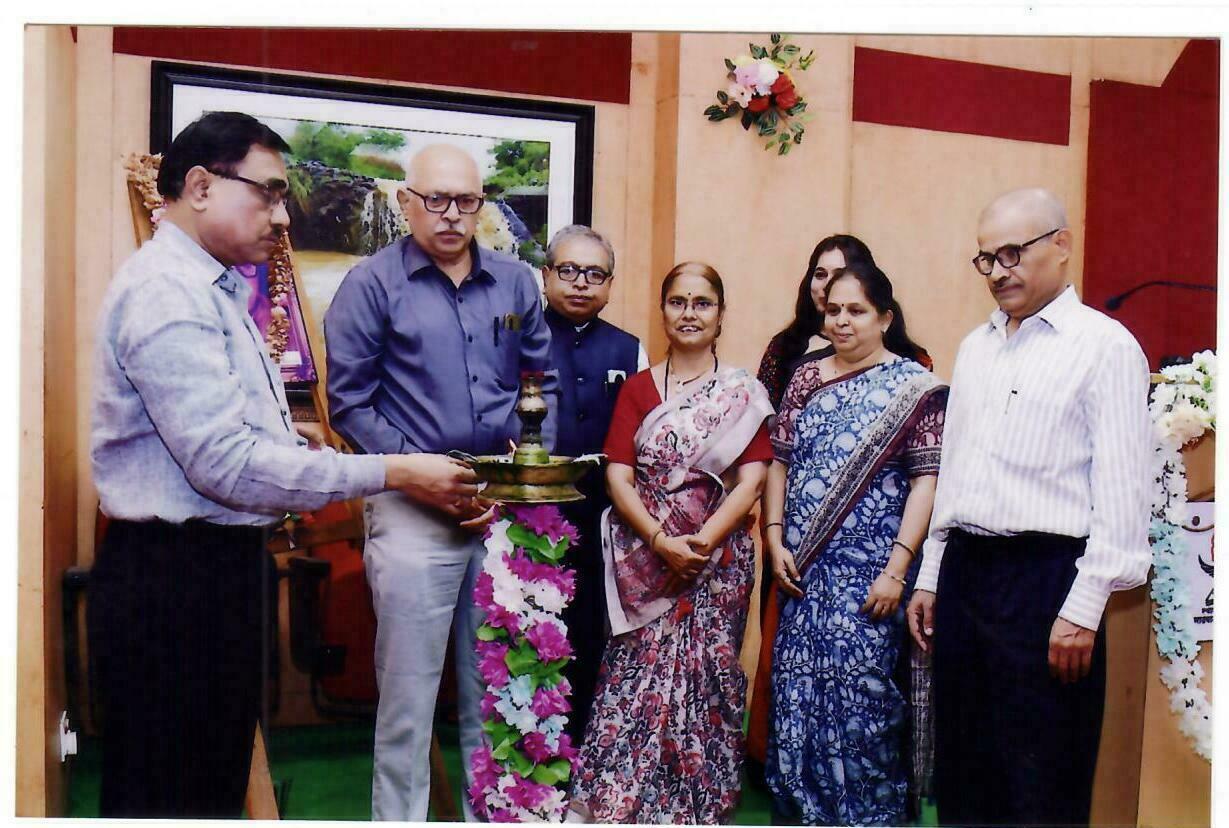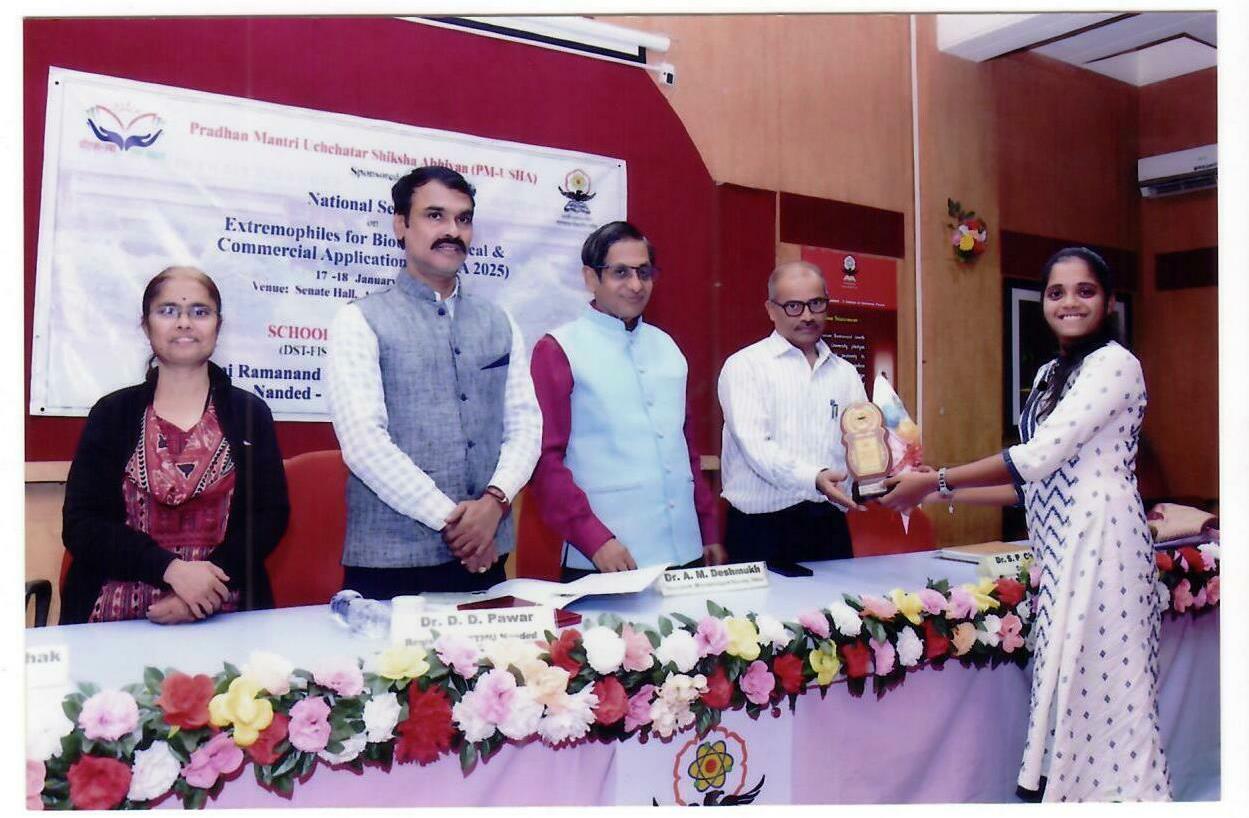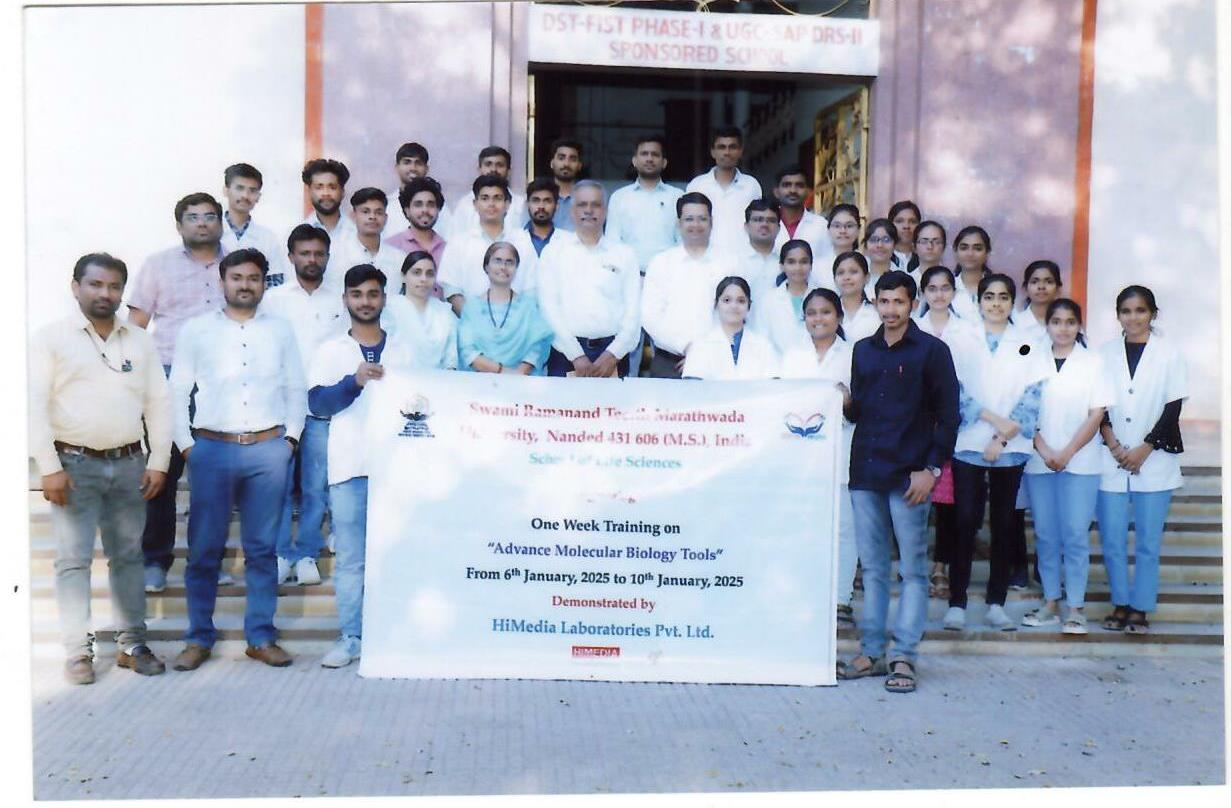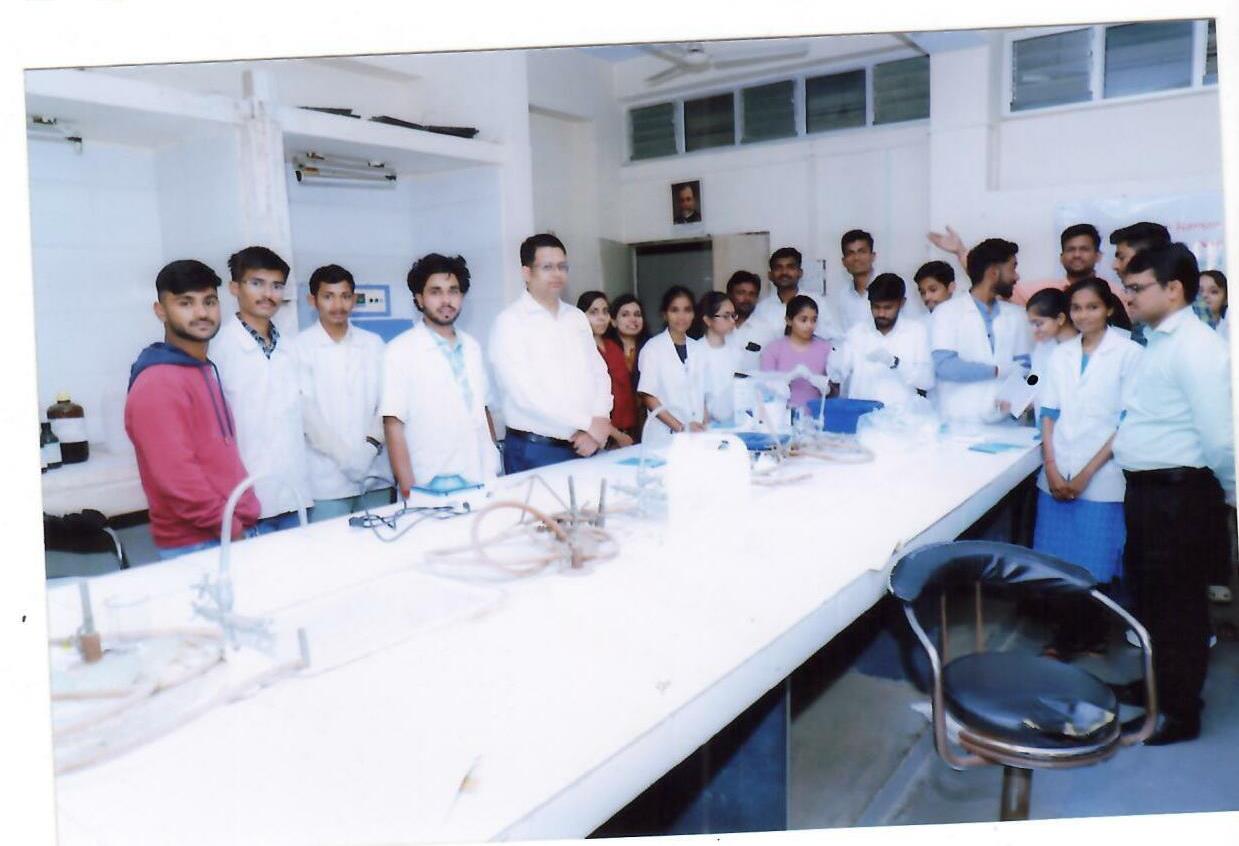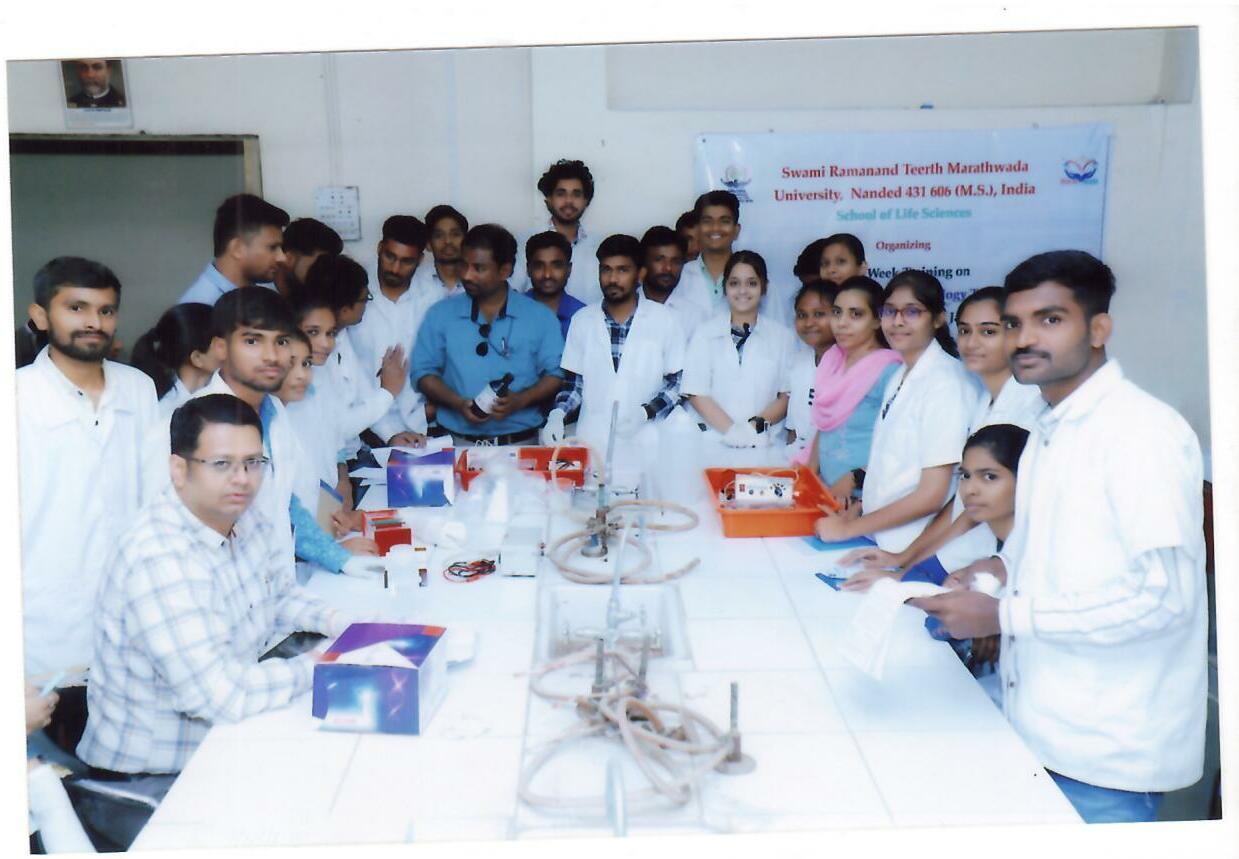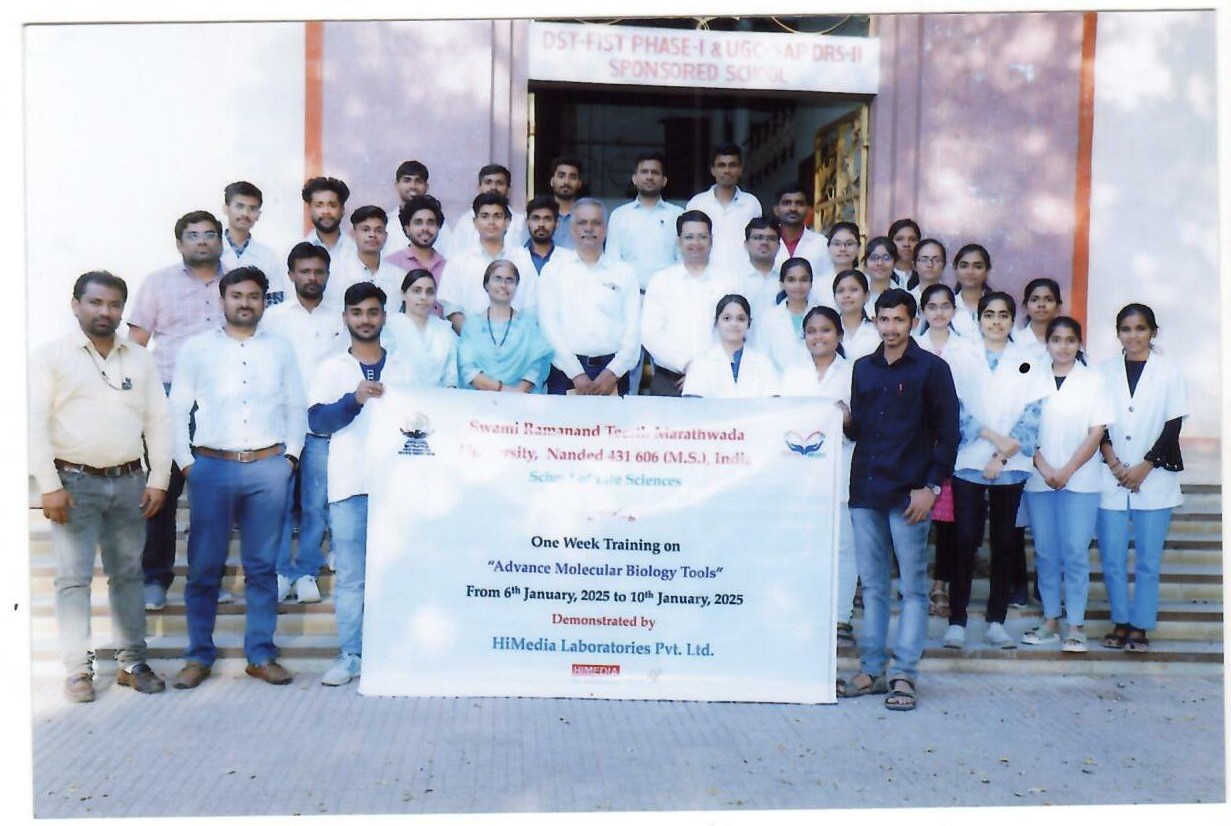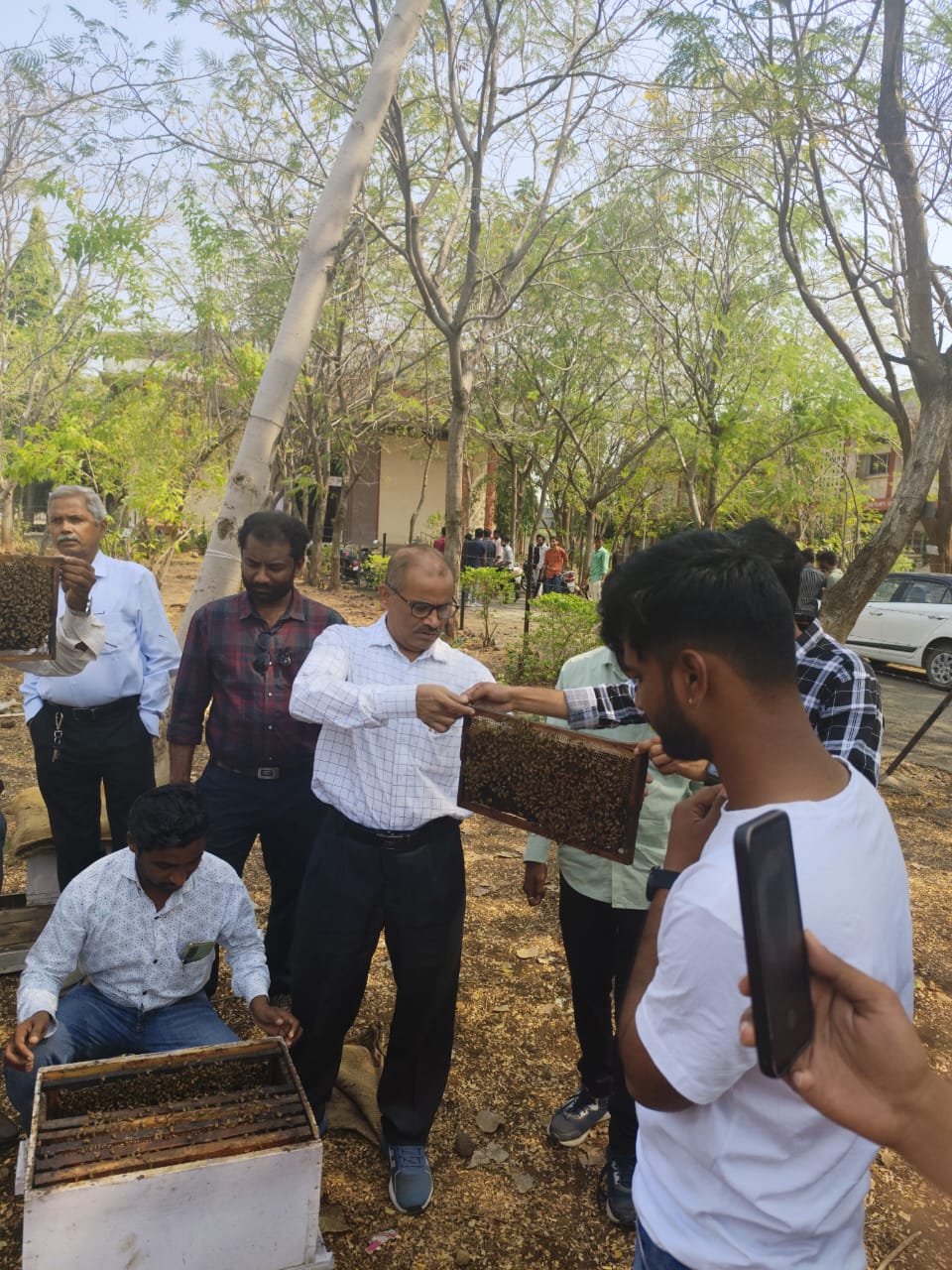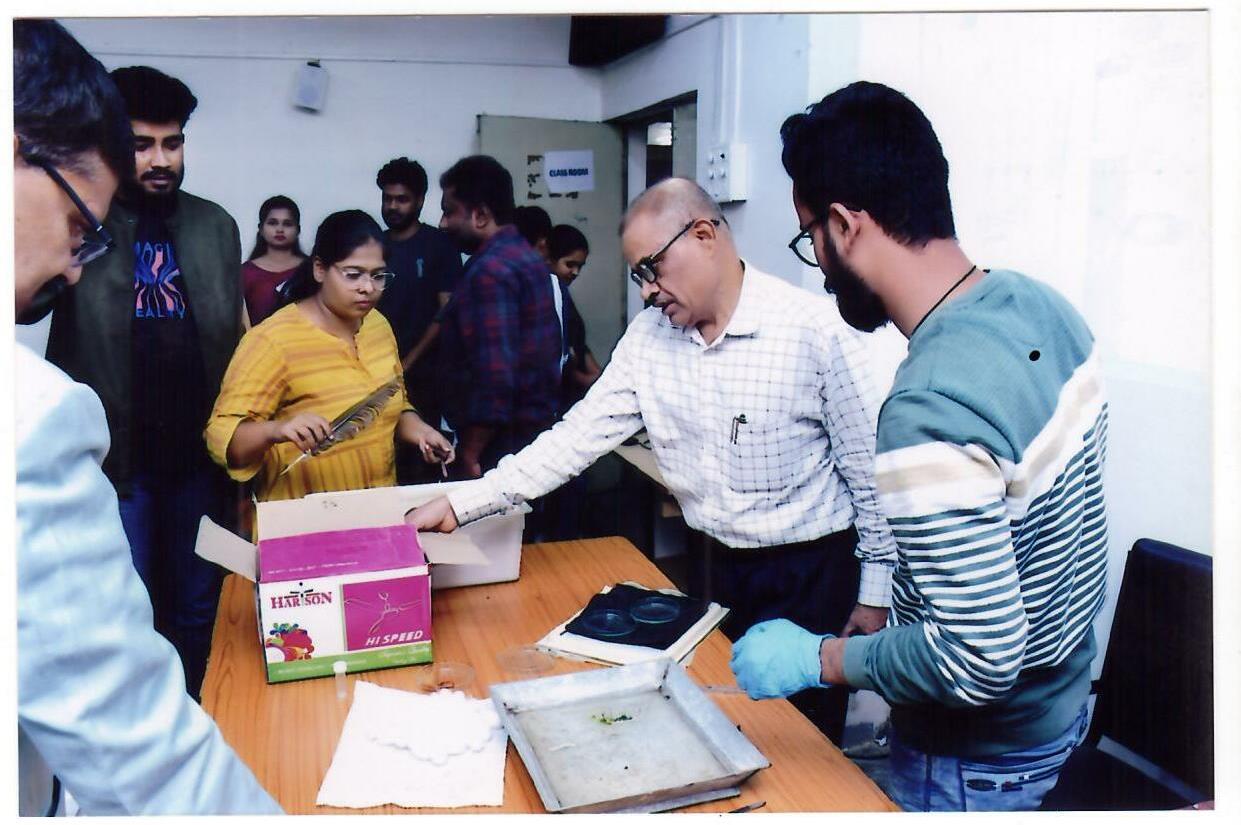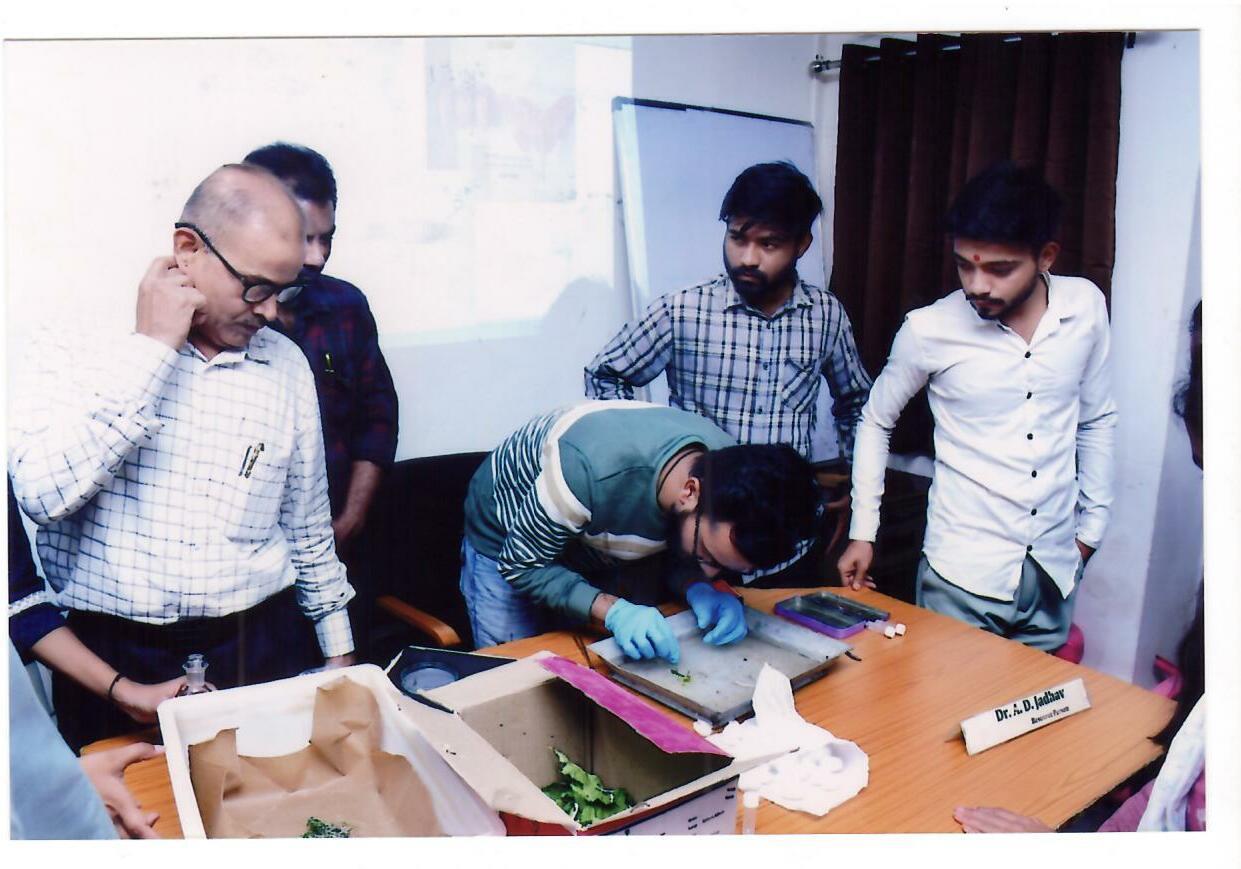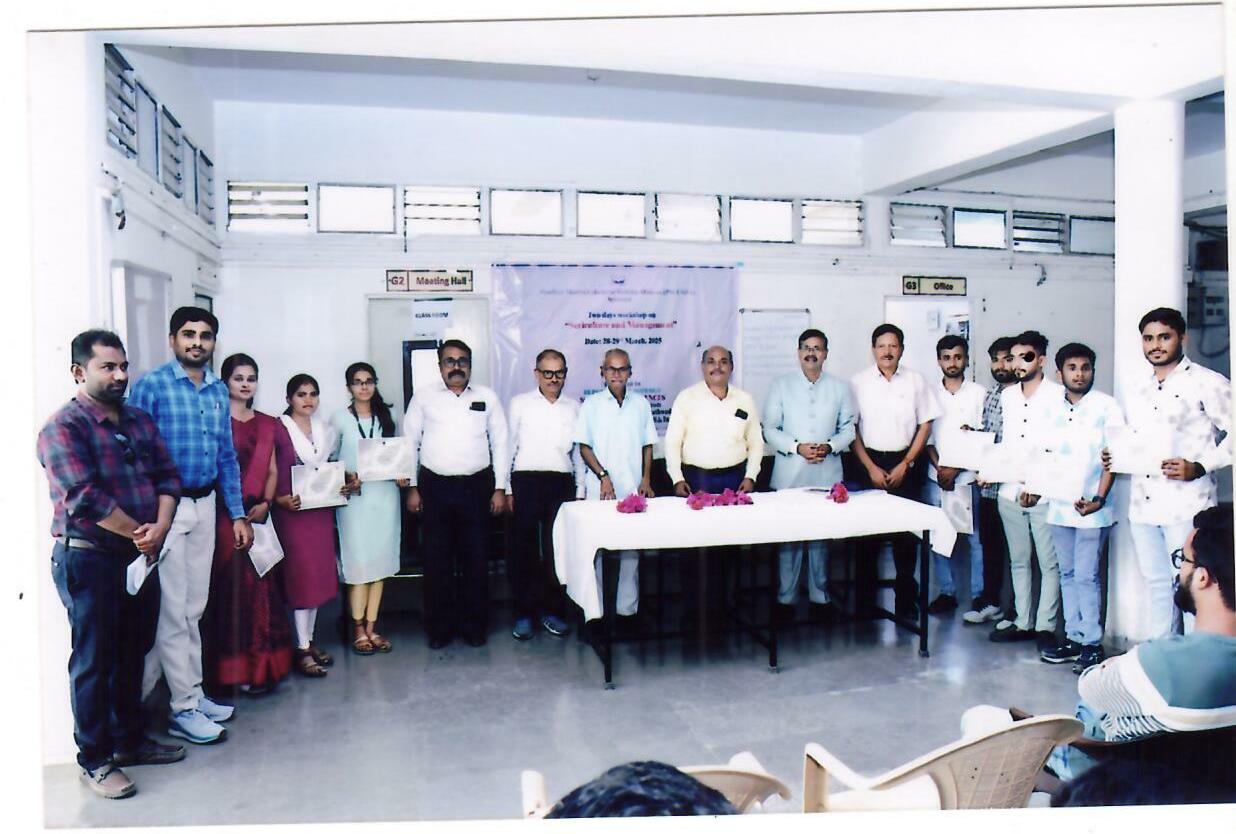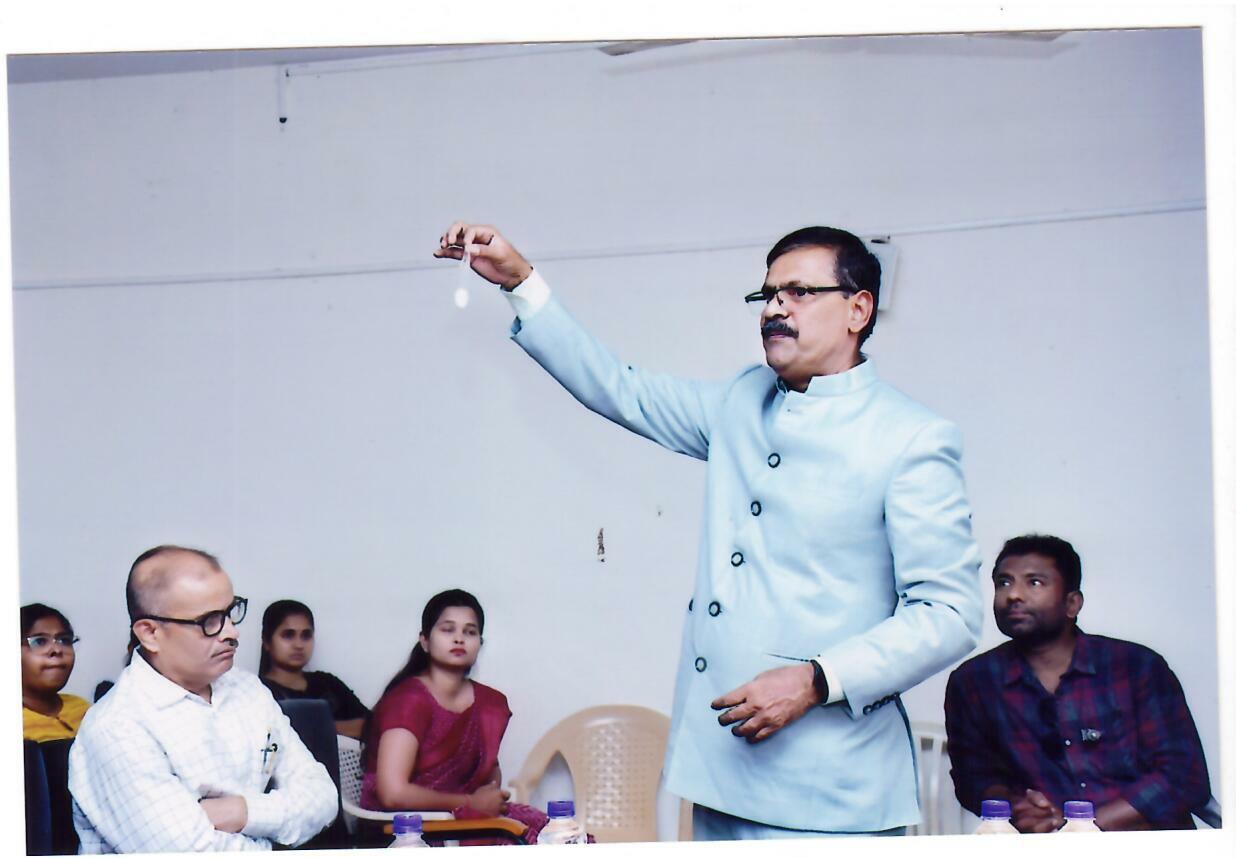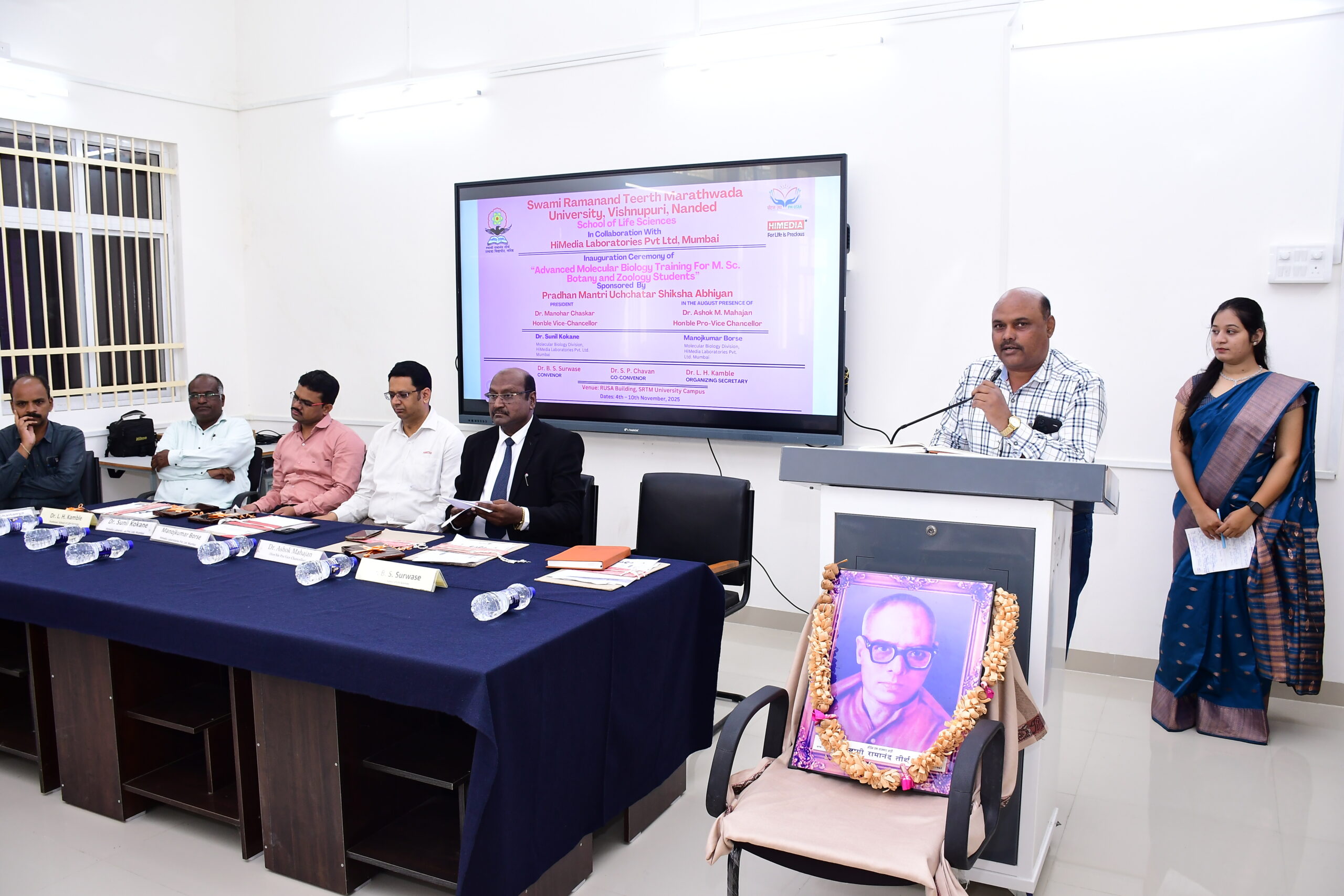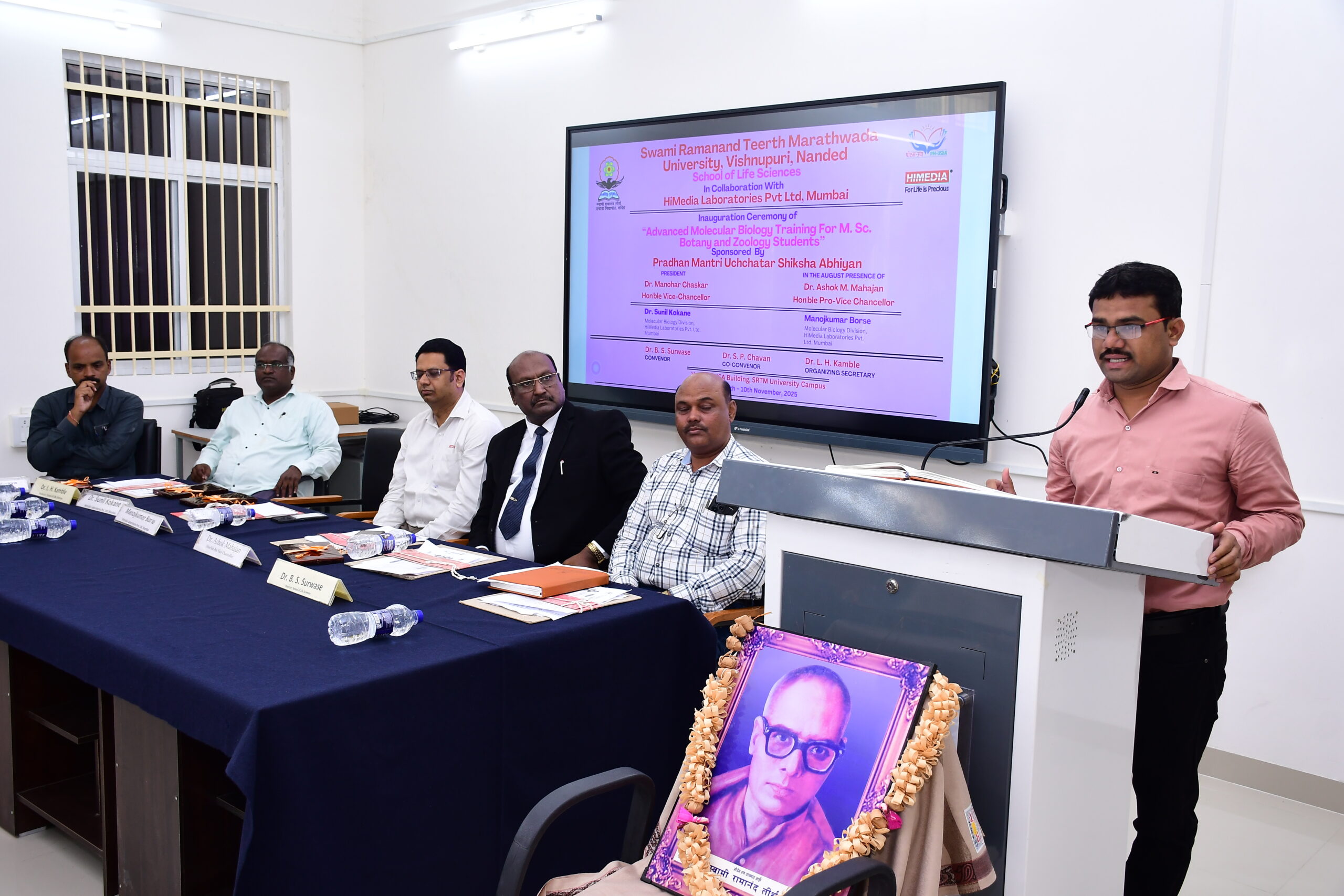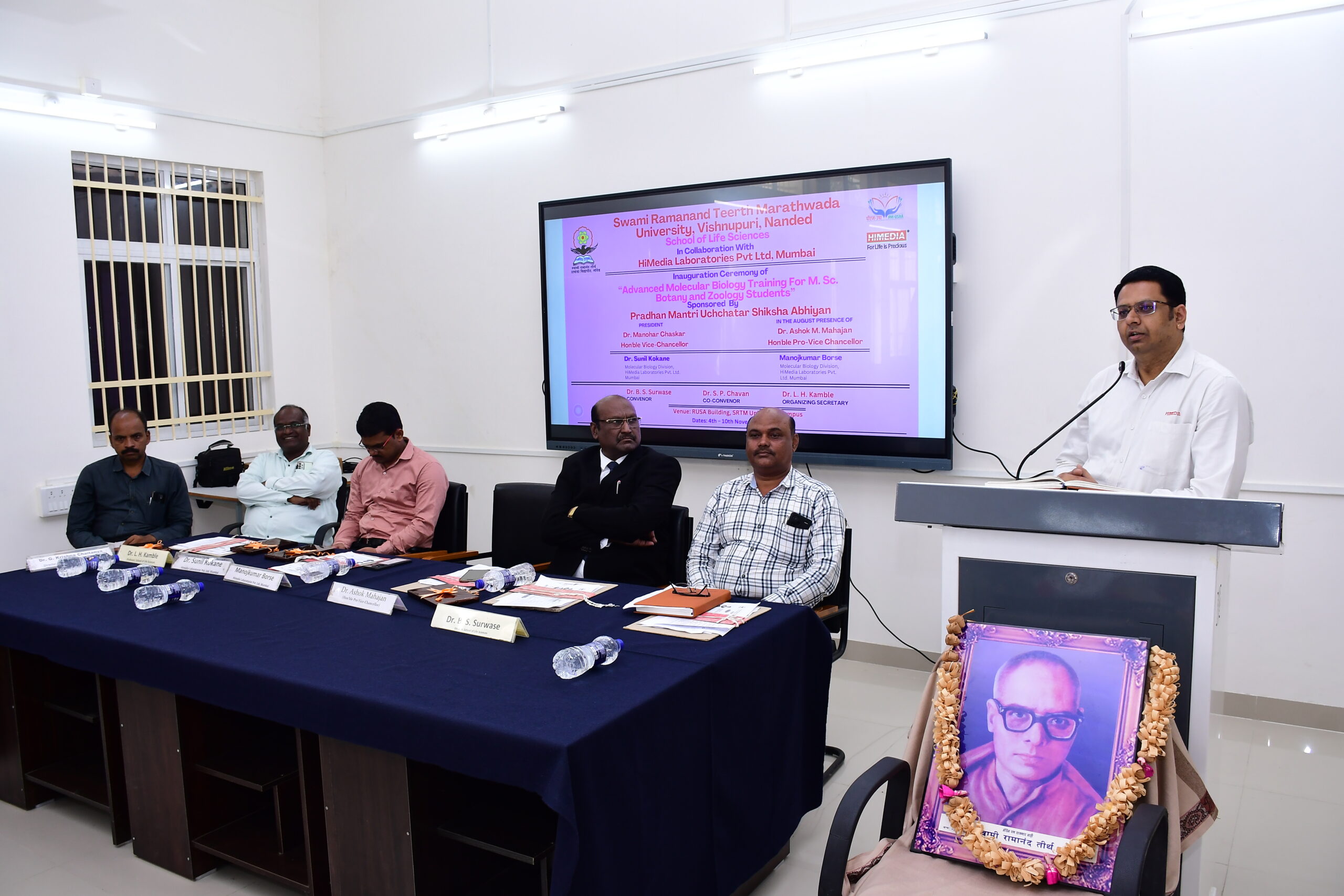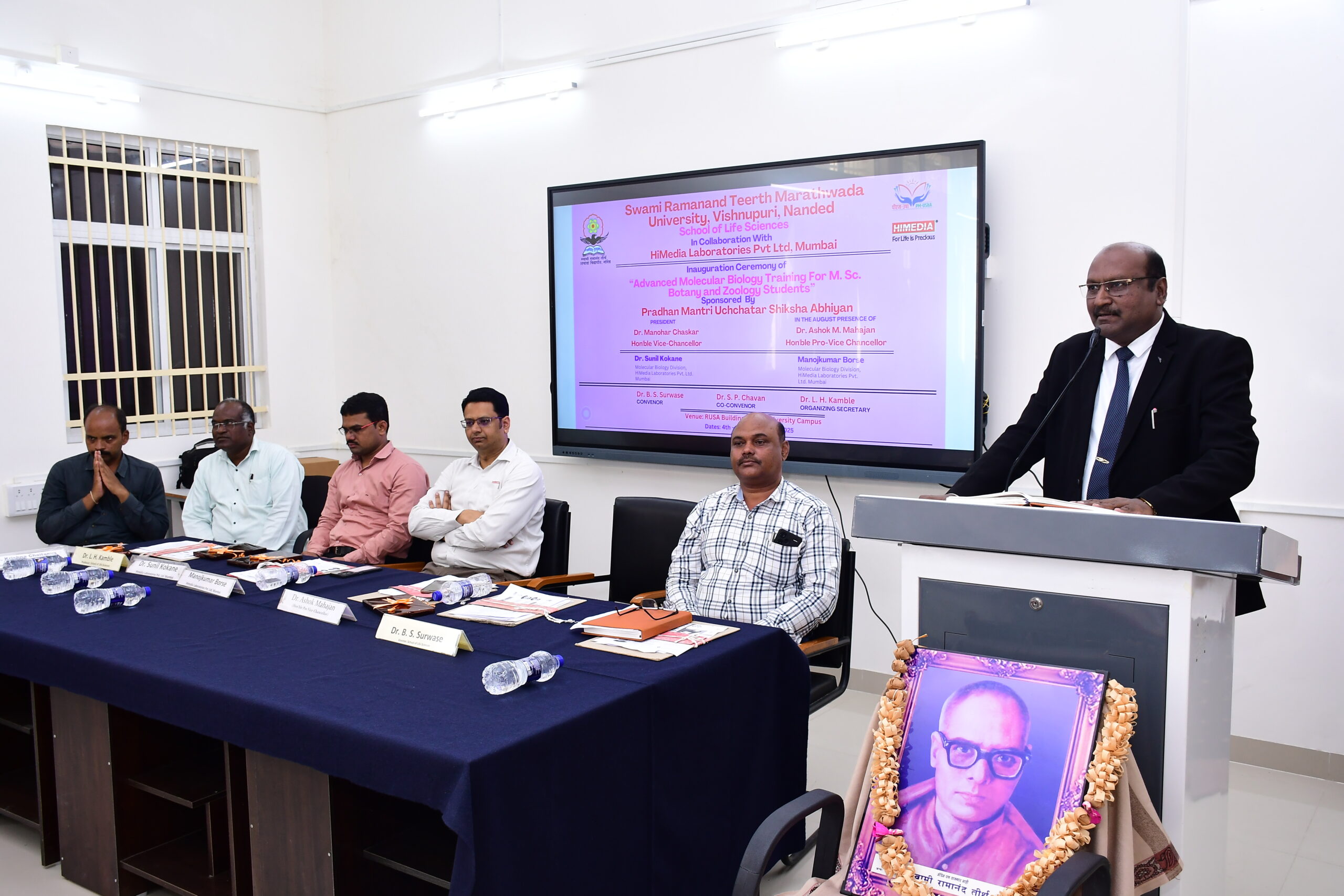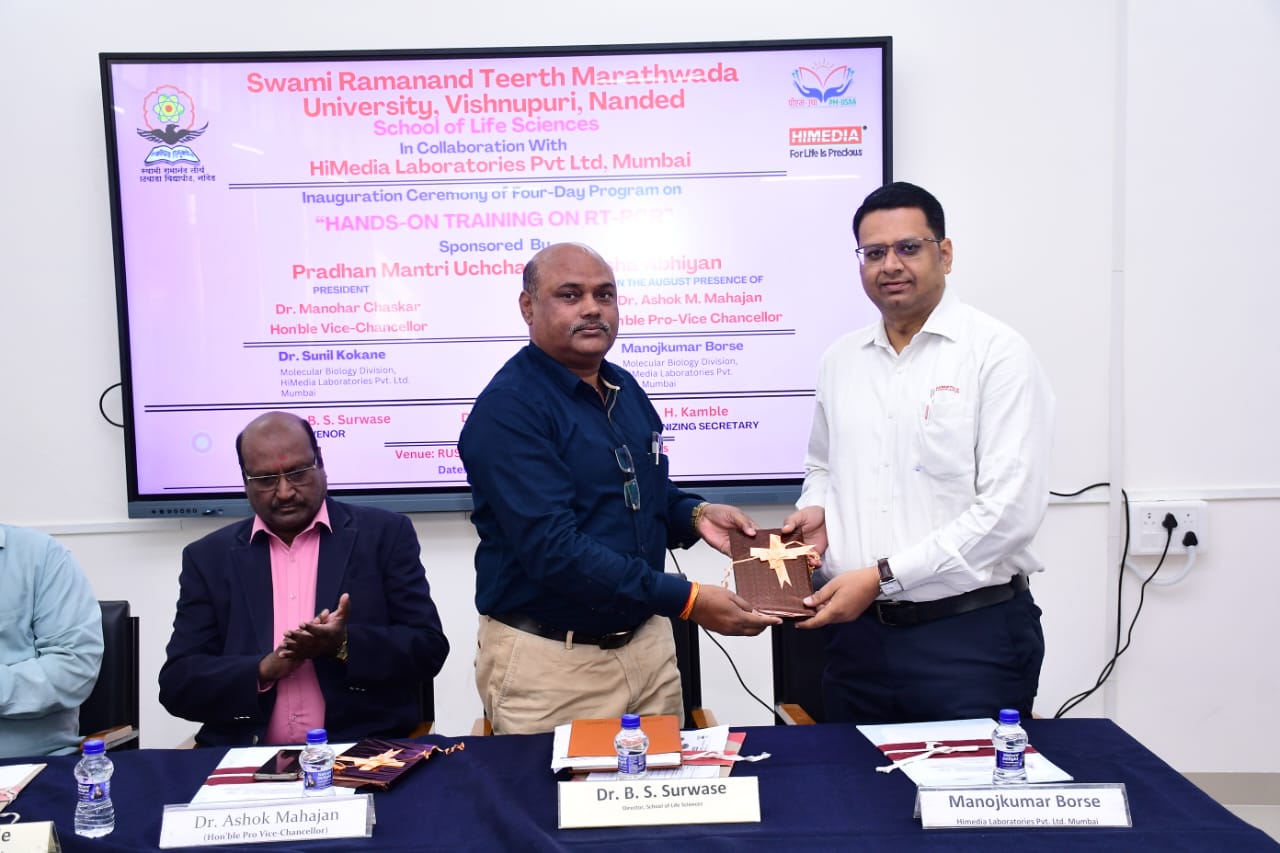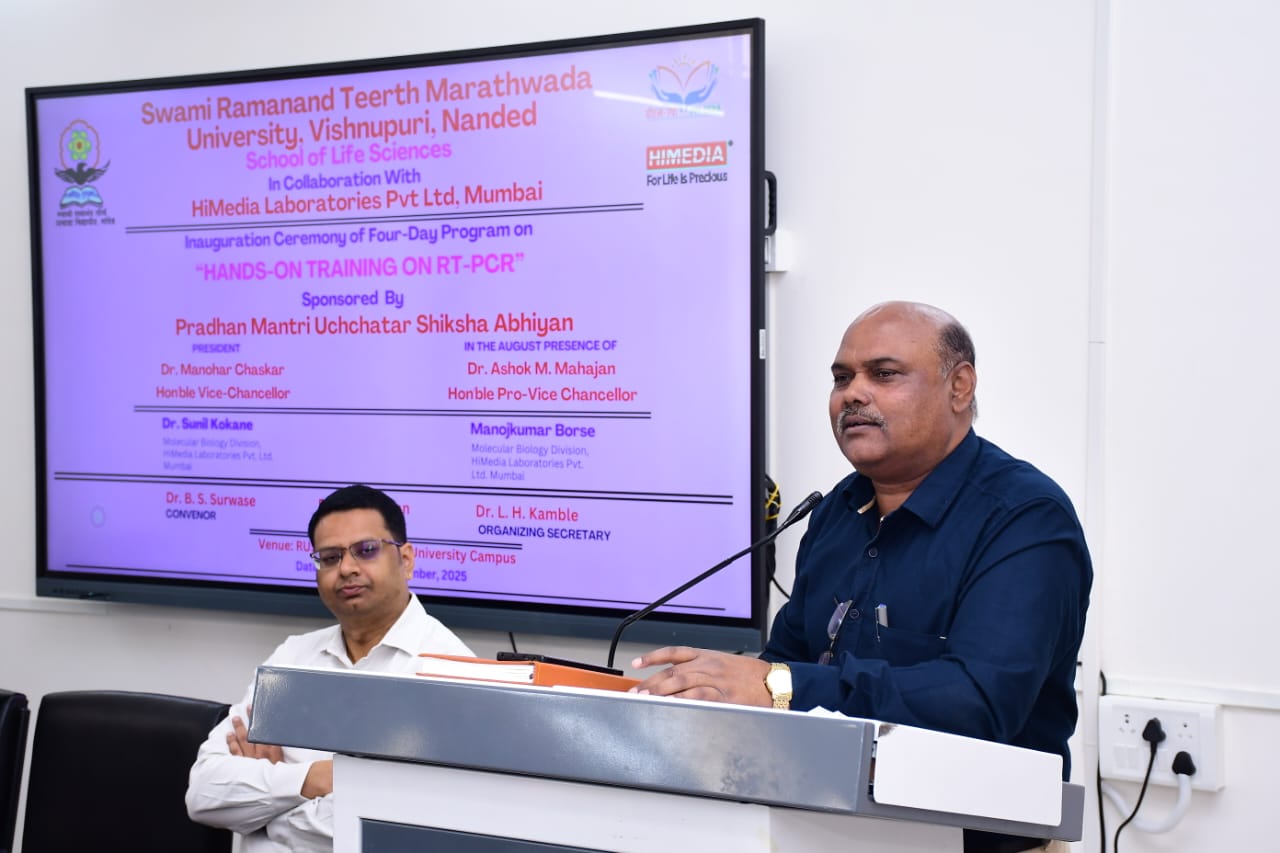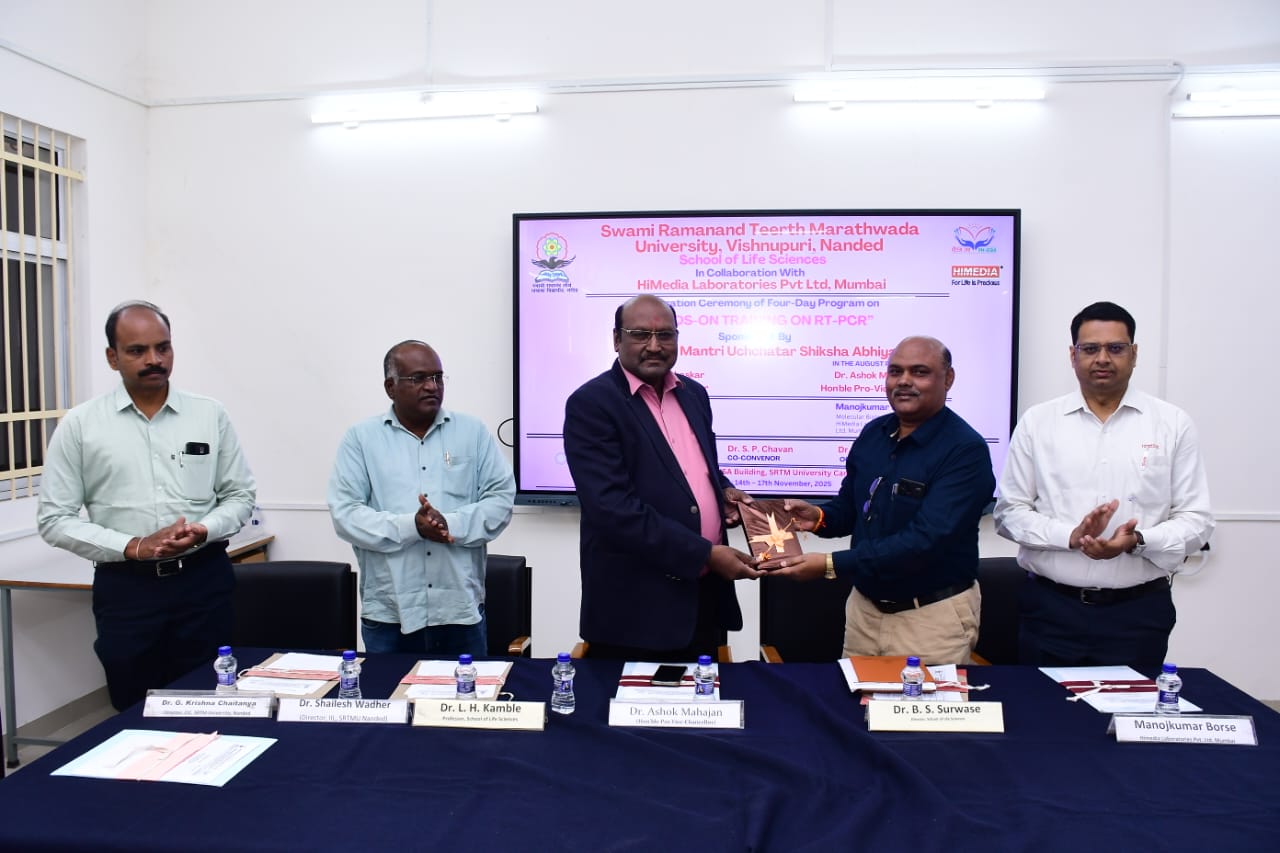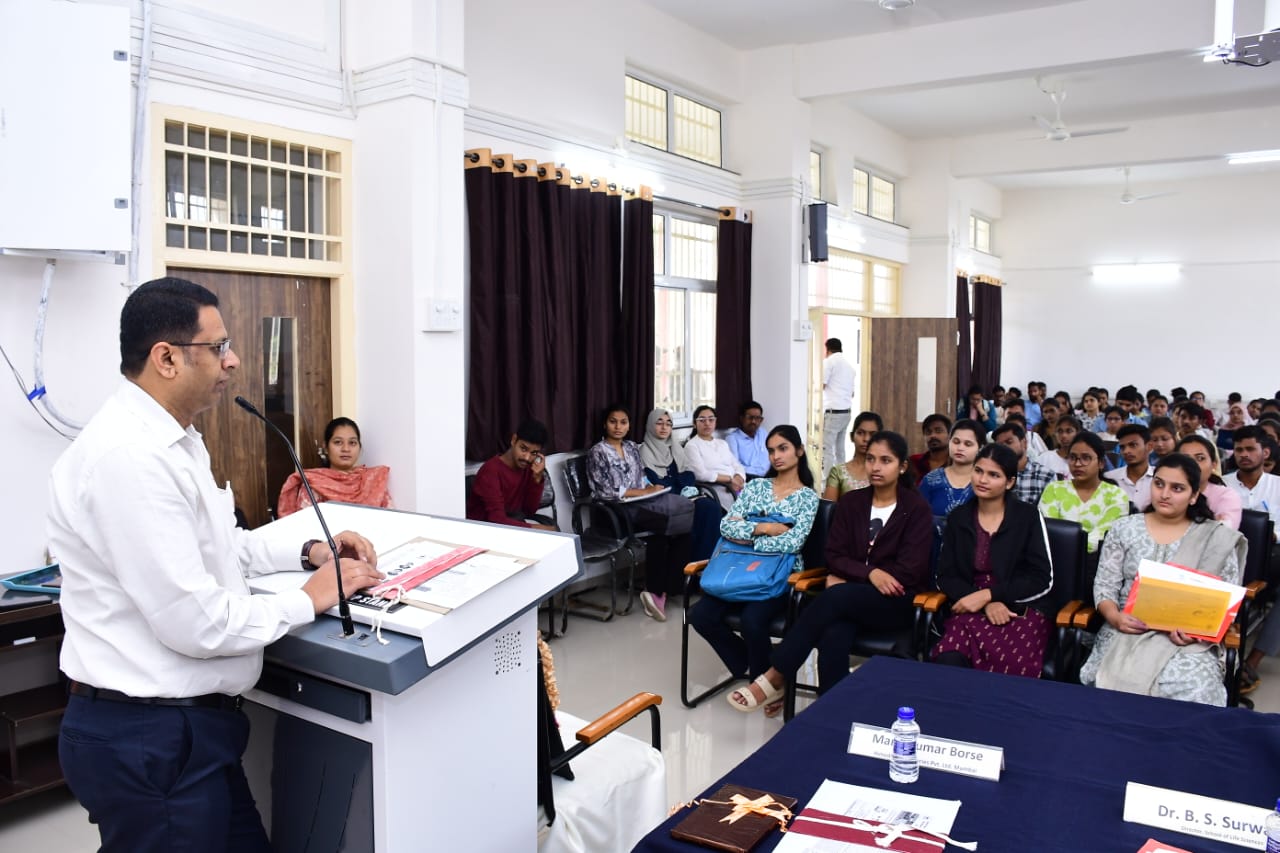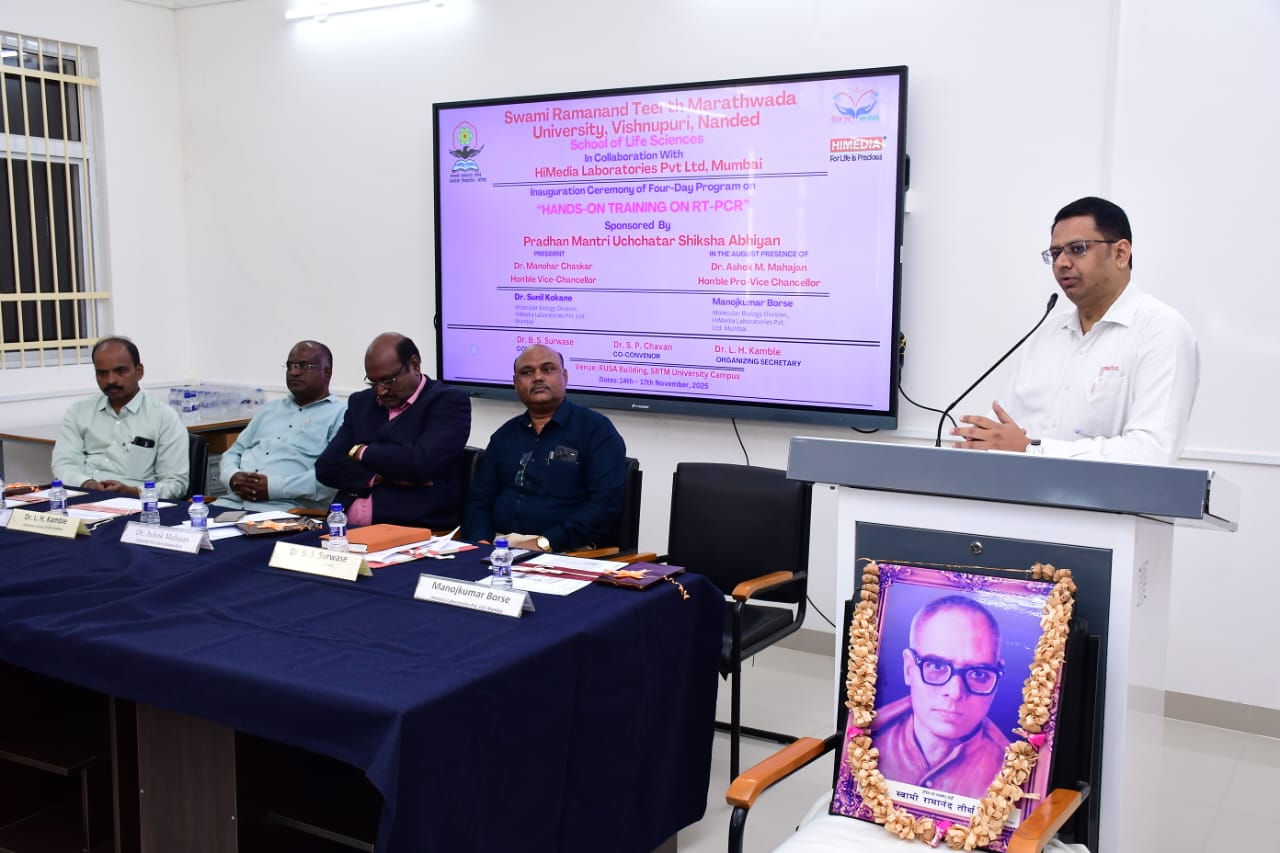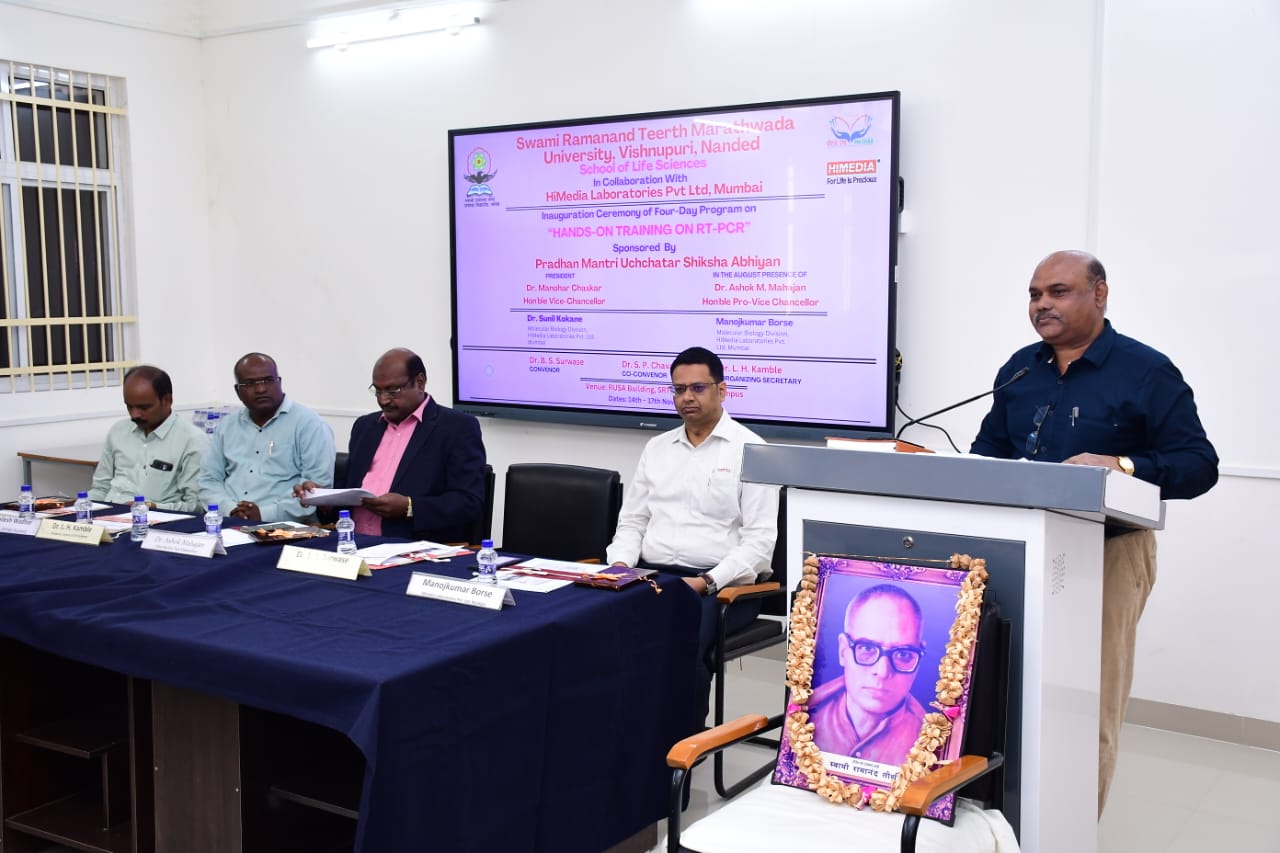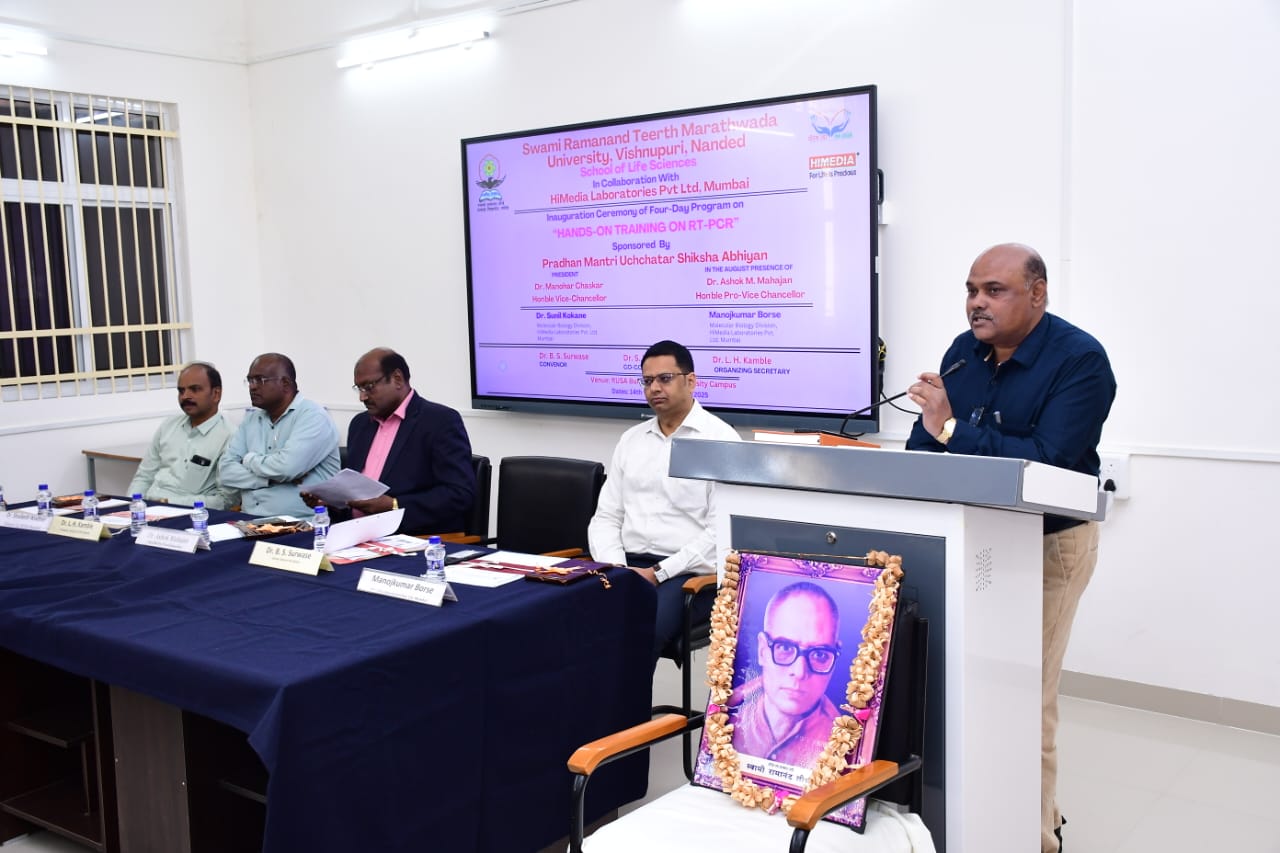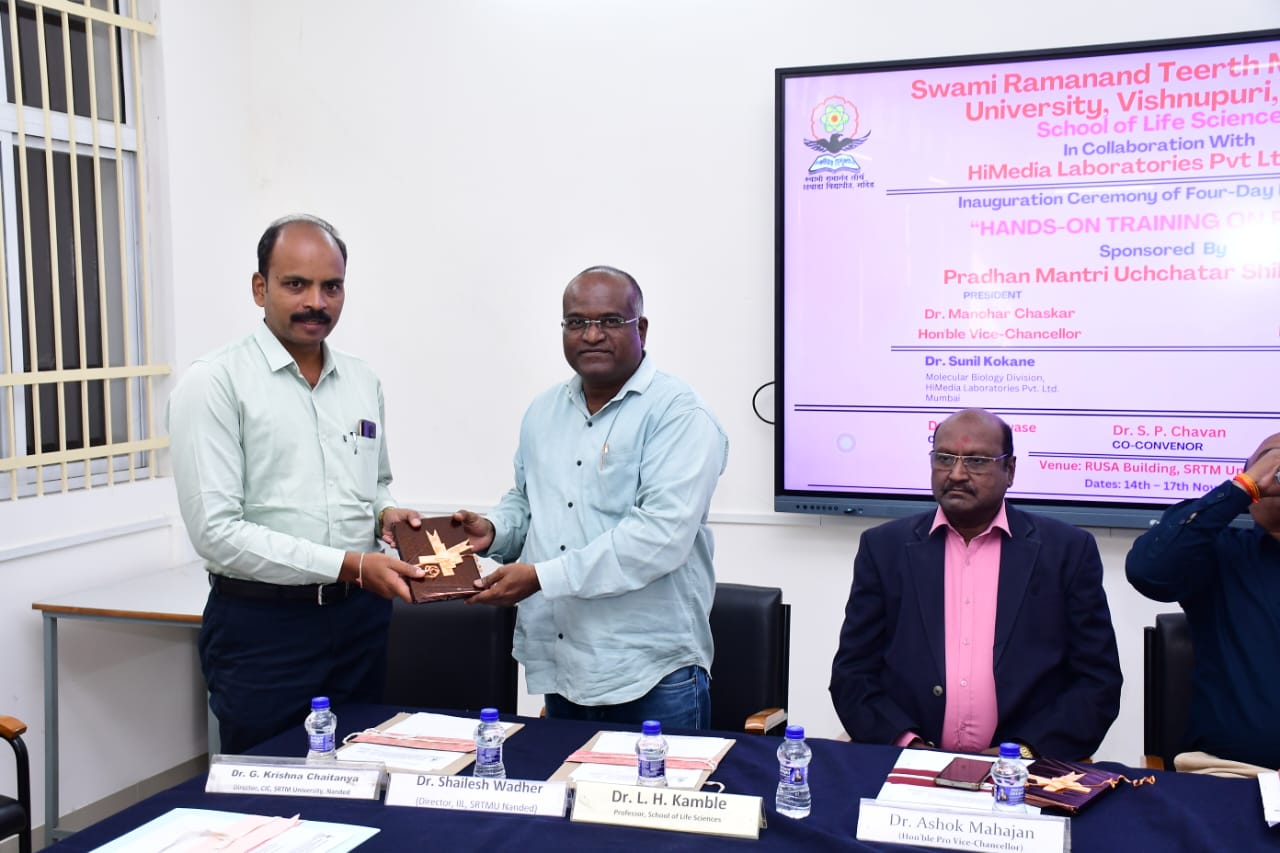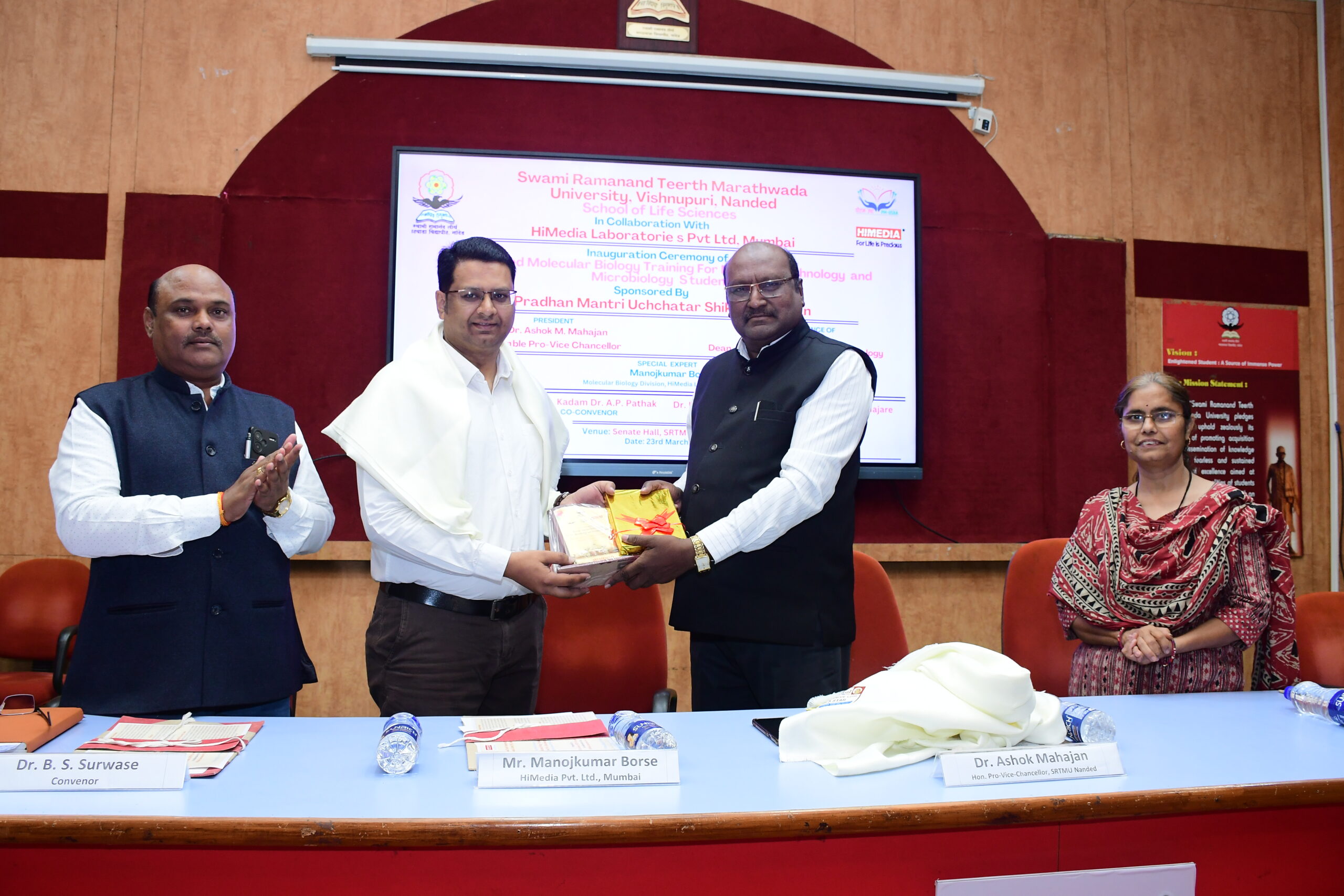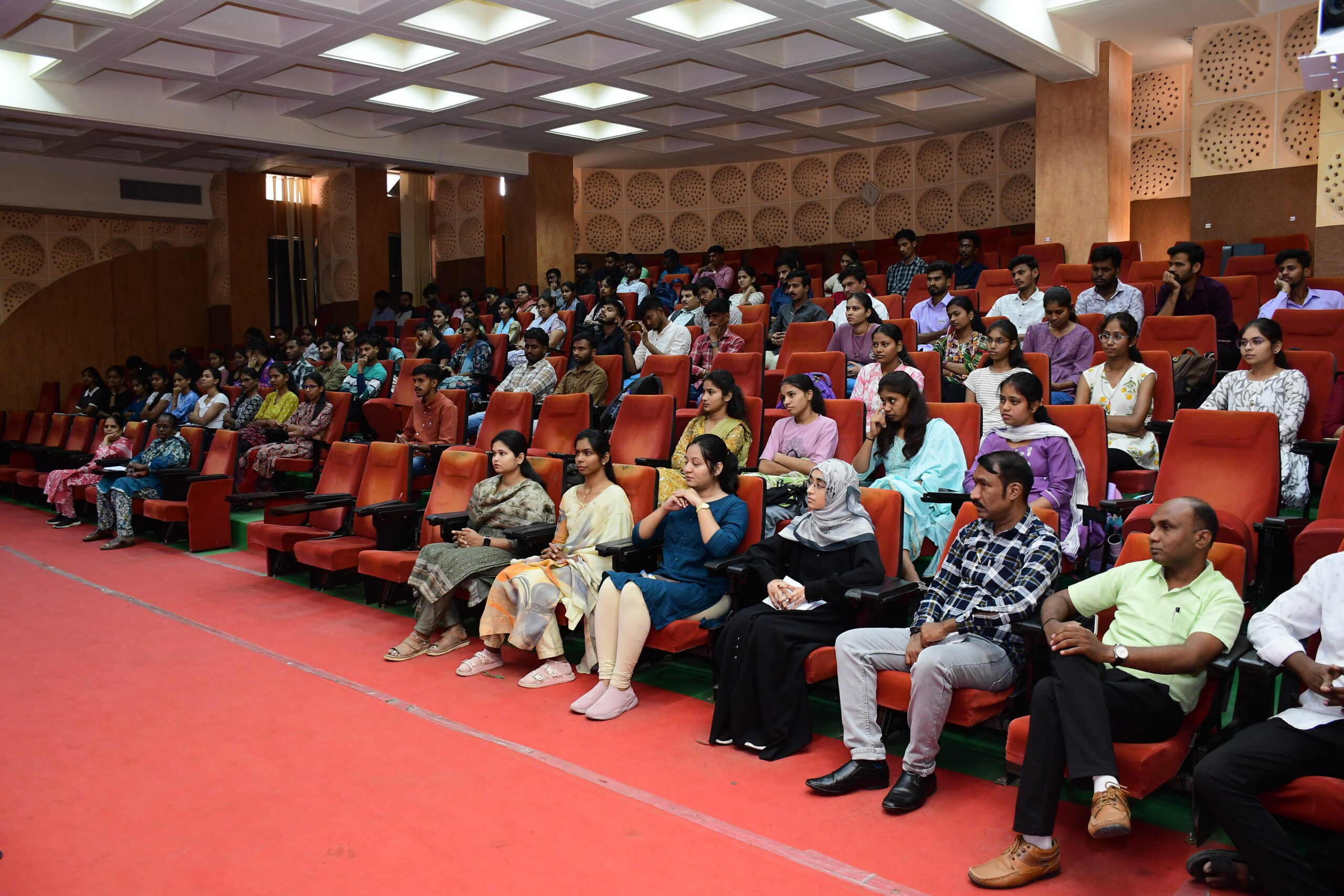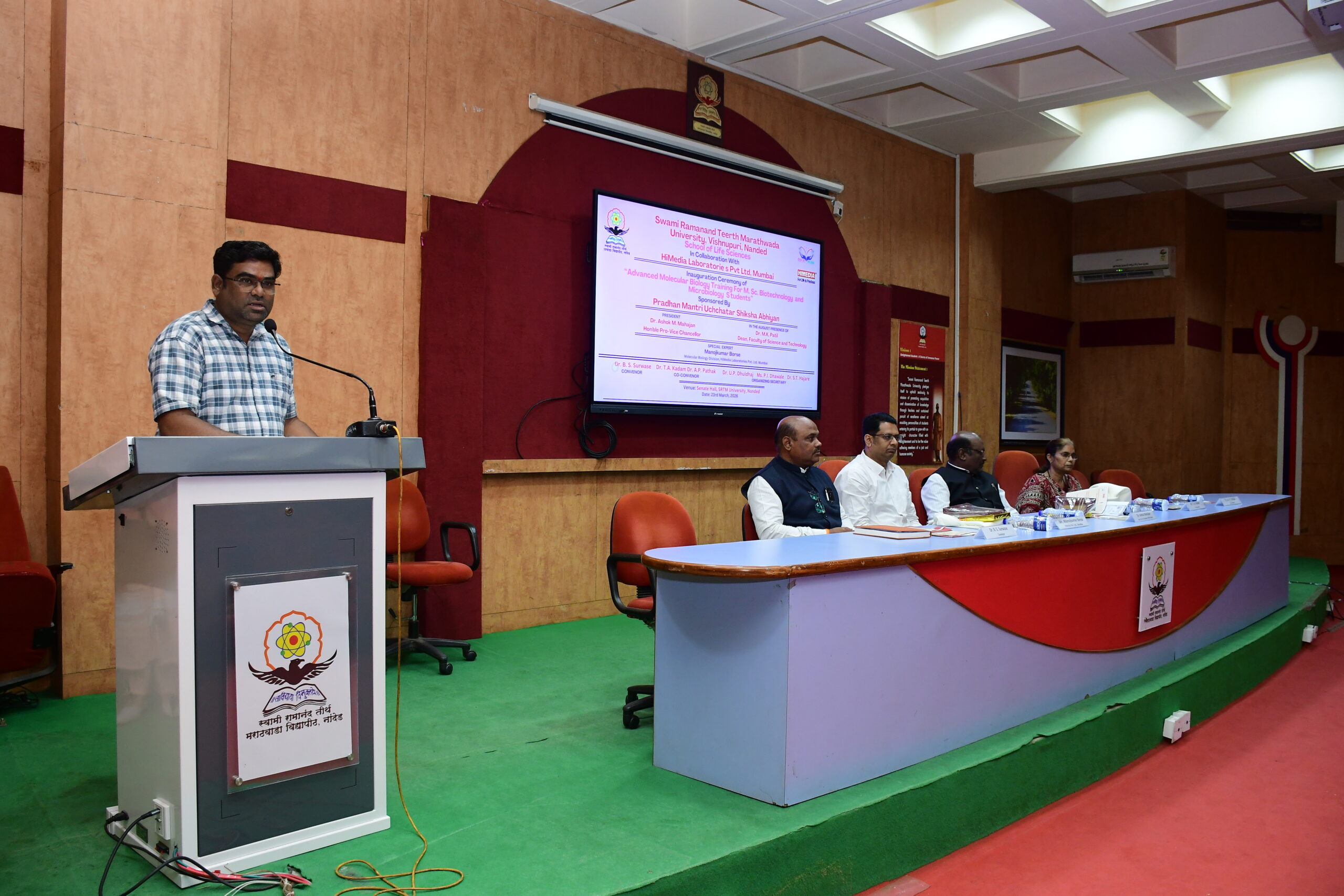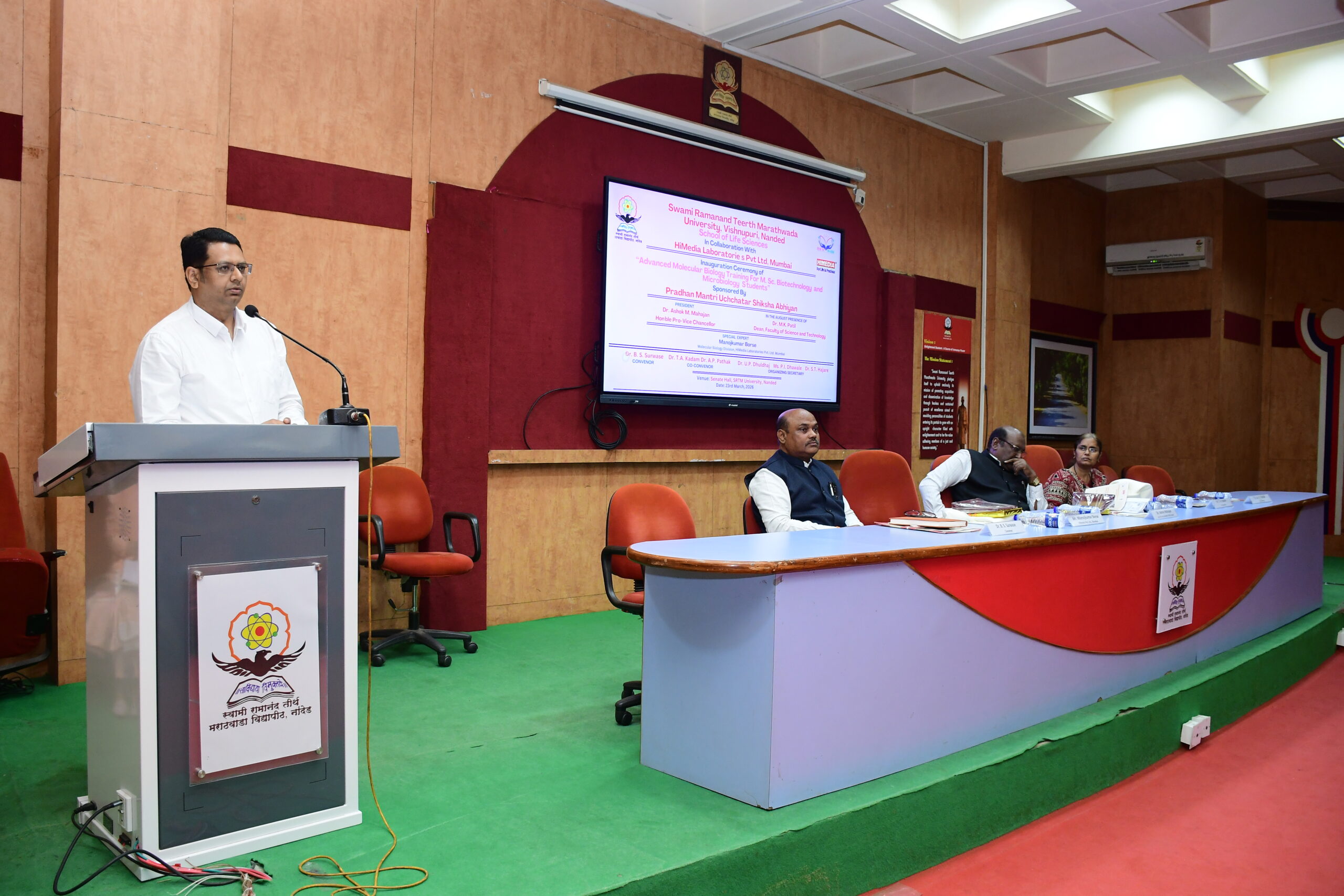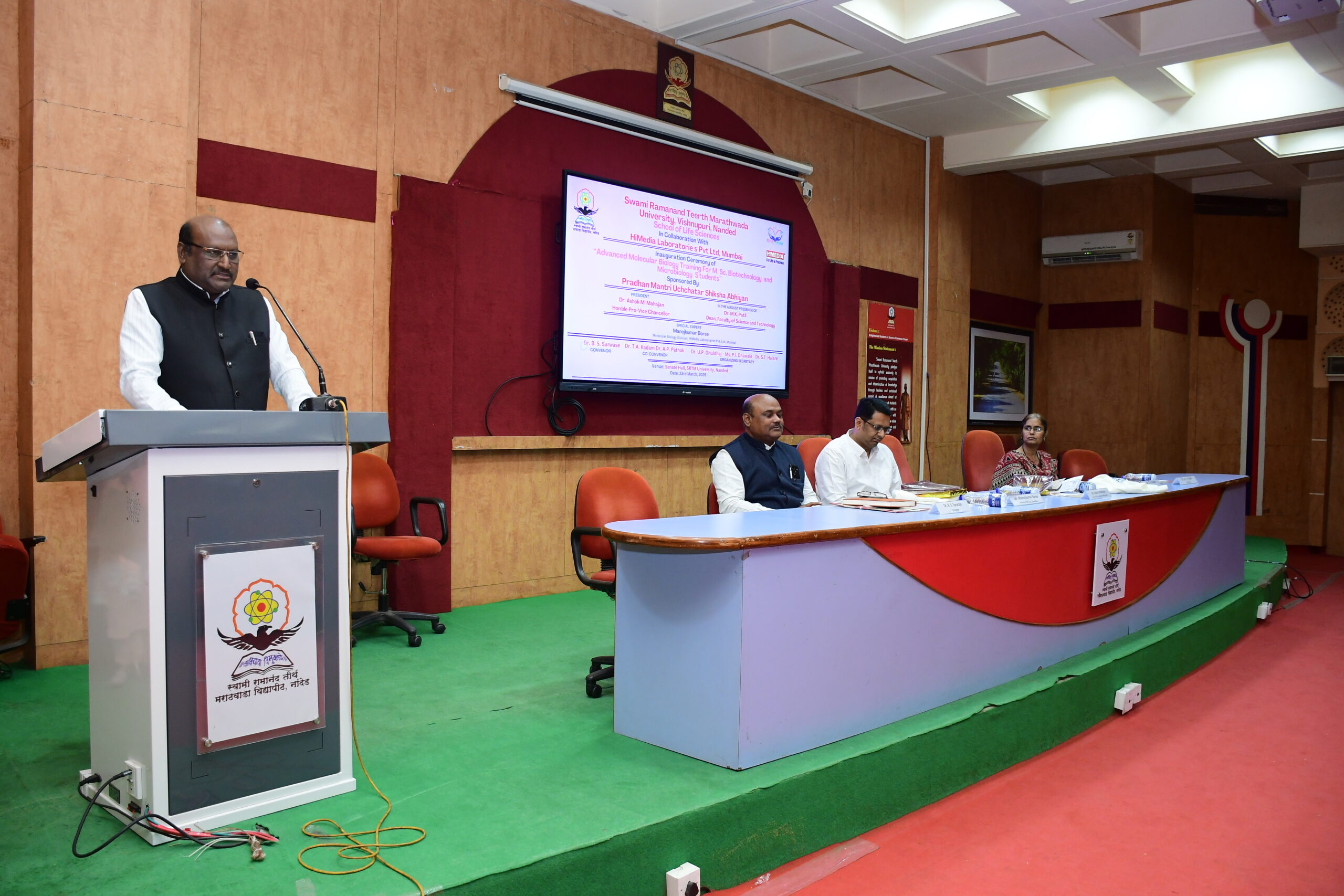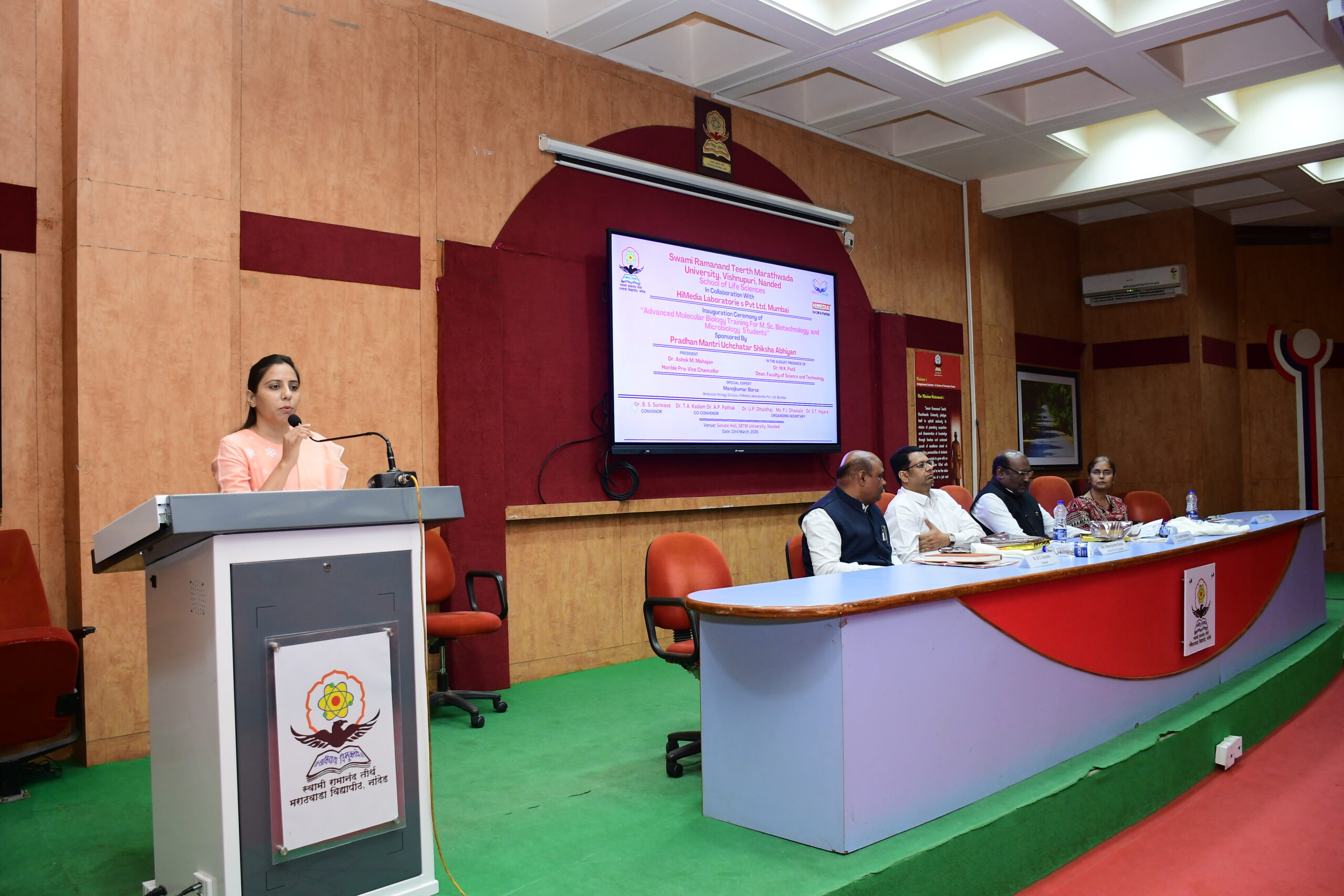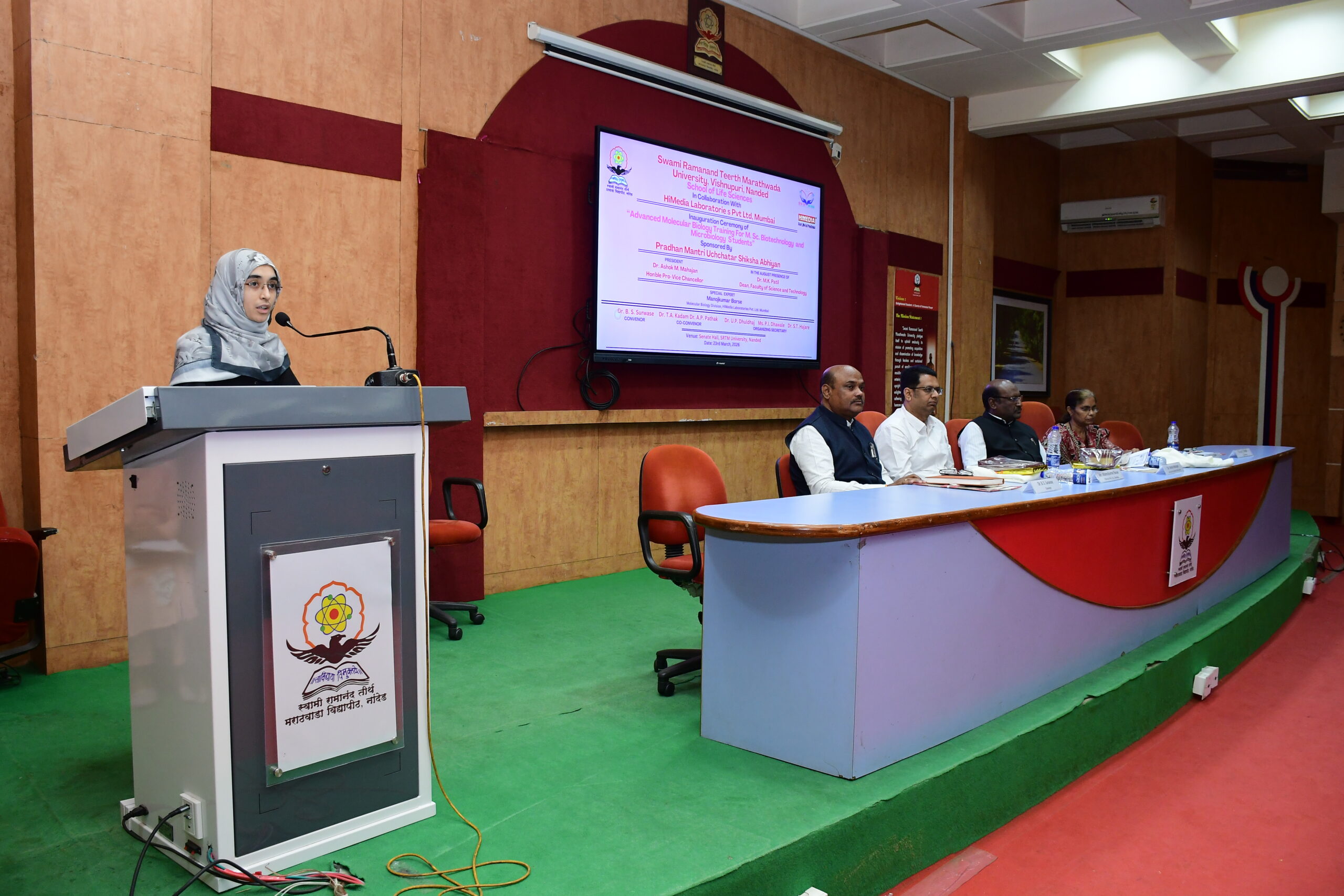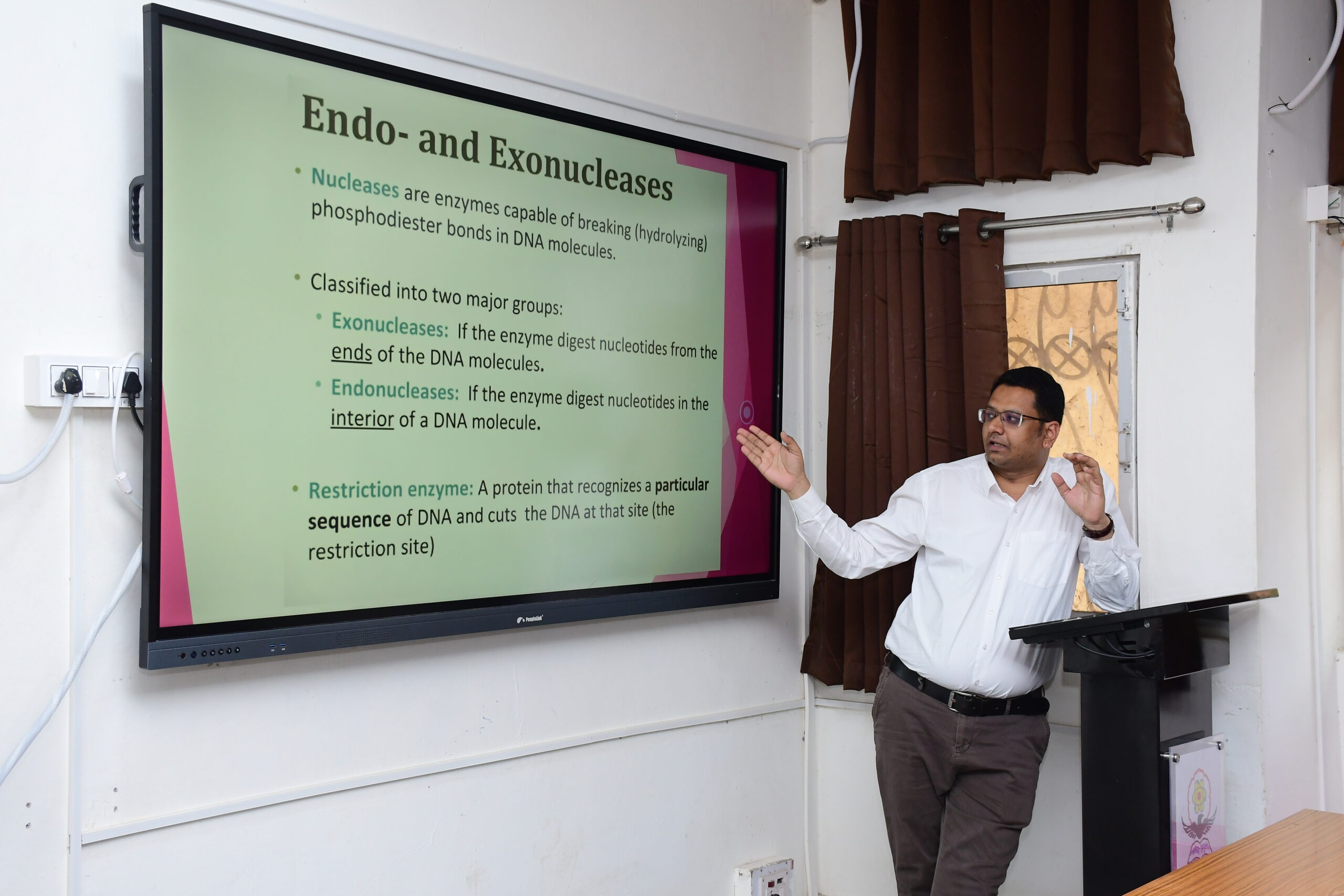



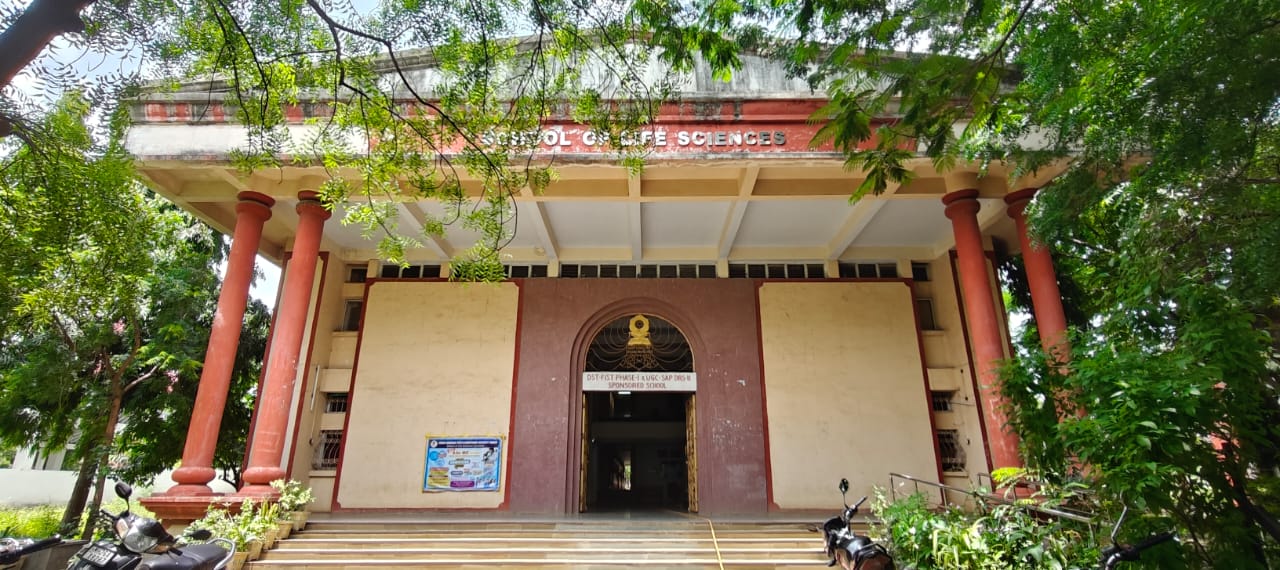
The School of Life Sciences had a humble beginning after the establishment of Swami Ramanand Teerth Marathwada University at Nanded in 1994. The university was established as per the resolution by the State Government of Maharashtra and recommended and recognised by the University Grants Commission (UGC) under 2(f) & 12 (B). The effort of the University was appreciated in implementing the various programs and was accredited a ‘B++’ Grade by the NAAC, Bengaluru.
The idea of teaching biology as an integrated discipline was conceived on the campus of this university. The School of Life Sciences has four major ongoing postgraduate programs: M. Sc in Botany, Microbiology, Zoology, and M. Sc Biotechnology. It also offers a Post Graduate Diploma in Medical Laboratory Technology (PGDMLT) and an Apprenticeship Embedded Degree Program-B. Sc. Medical Laboratory Technology. The School of Life Sciences has made remarkable progress within a short period and has an impressive track record in research by its faculty members. The UGC and DST, New Delhi, have recognised the School of Life Sciences for continuous support through several levels of assistance, such as UGC (SAP & Non-SAP), DST-FIST (DRS-I and II) for major infrastructure & RUSA/PM-USHA for promoting research activities in Life Sciences. The School also has received funding from external agencies like USAID, DBT, BIRAC, DST, UGC, S and T Cell, RGSTC, NAEB and ICAR, etc., to undertake research activities, training activities to encourage students and faculty members in cutting-edge technologies, collaborative and translational research with National & International organisations, etc.
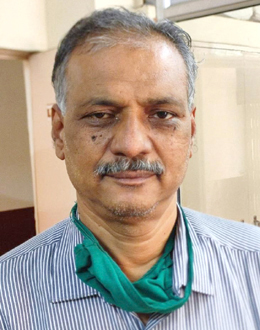
Director
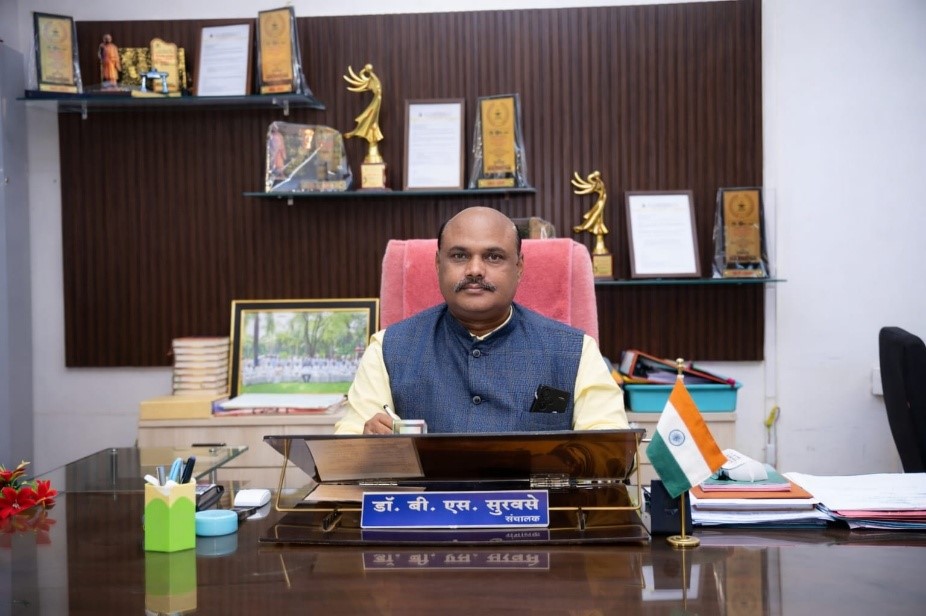
Dr.B. S. Surwase
School Of Life Sciences
M.Sc. Ph.D. Botany, Biotechnology
1.M. Sc Botany
Objectives
PEO1: To expose the students to the diversity amongst life forms. PEO2: To make aware of natural resources and the environment, and the importance of conserving the same. PEO3: To update the curriculum by introducing recent advances in the subject that enable the students to face NET, SET, MPSC, UPSC, and other competitive examinations successfully. PEO4: To train and orient the students so as to develop human resources for the educational institutes, industries, and other organisations. PEO5: To develop specific skills amongst students for self-employment and also for the development of their own enterprises. PEO6: To develop the ability for the application of the acquired knowledge in the fields of life so as to make our country self-reliant and self-sufficient. |
Outcomes
PO1: This program will expose the students to the diversity among different life forms. PO2: This program shall also make aware the students about natural resources and environment and the importance of conserving them same. PO3: This will provide an updated curriculum with recent advances in the subject that enable the students to face NET, SET, MPSC, UPSC, and other competitive examinations successfully. PO4: This program shall train and orient the students so as to develop human resources for the educational institutes, industries, and other organisations. PO5: This will also develop specific skills amongst students for self-employment and also for the development of their own enterprises. PO6: This shall develop the ability in the students for the application of the acquired knowledge in the fields of life so as to make our country self-reliant and self-sufficient. Program Specific Outcomes: PSO1: This program will train and orient the students for job opportunities in Plant Biotechnology PSO2: This program will also generate human resources for the Phytochemical and Herbal Drug Industries |
2.M. Sc Zoology
Objectives
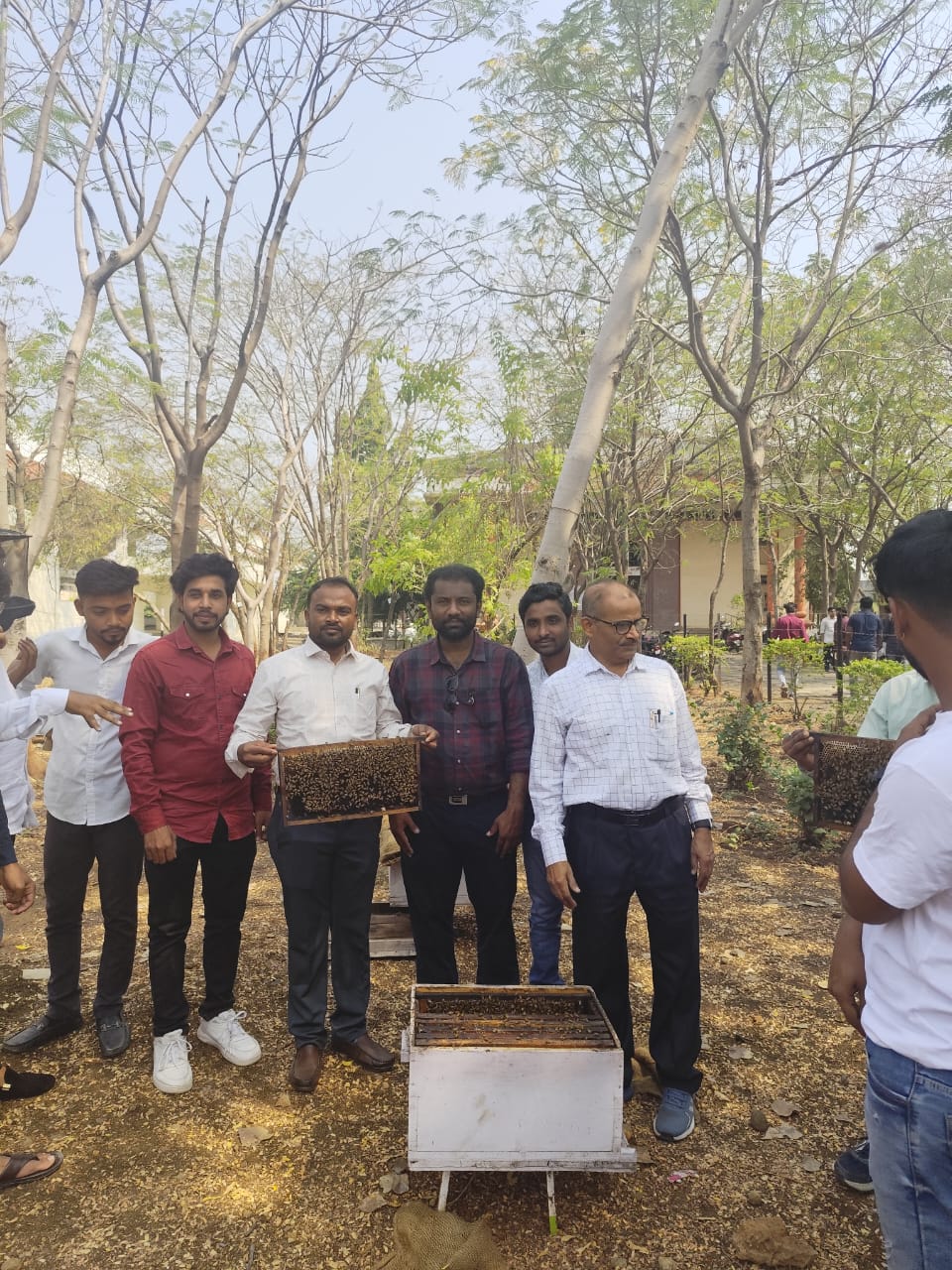
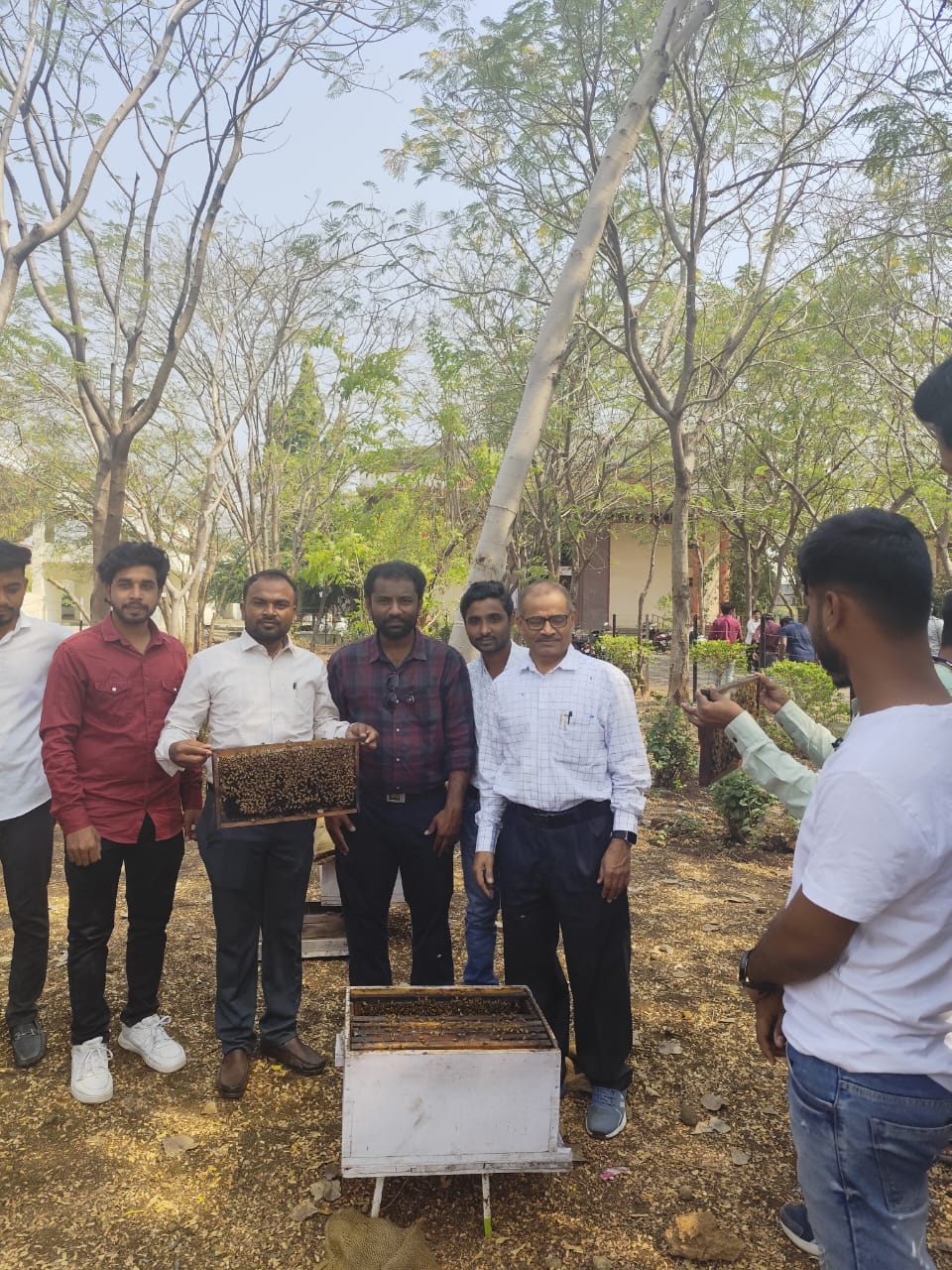
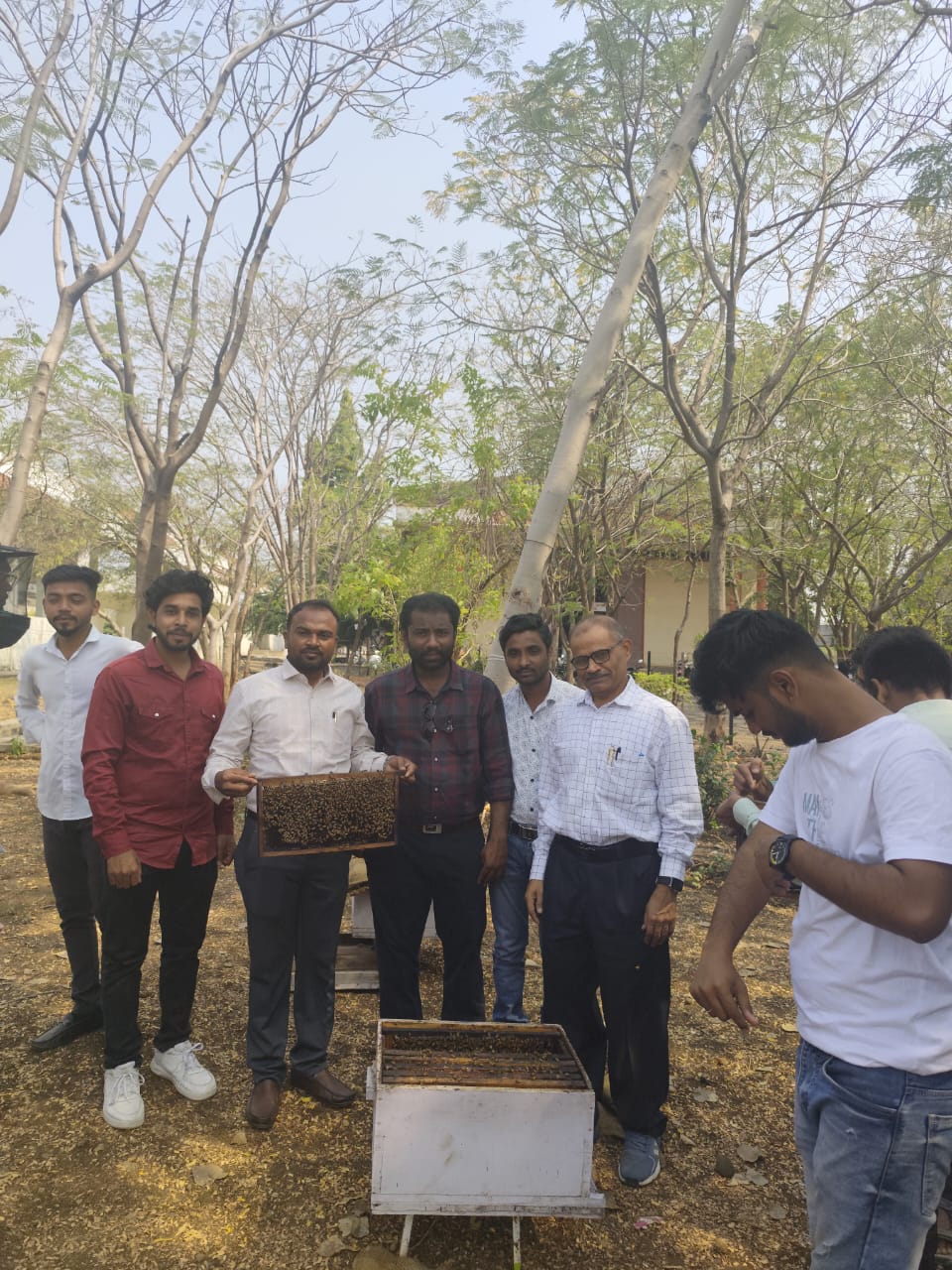
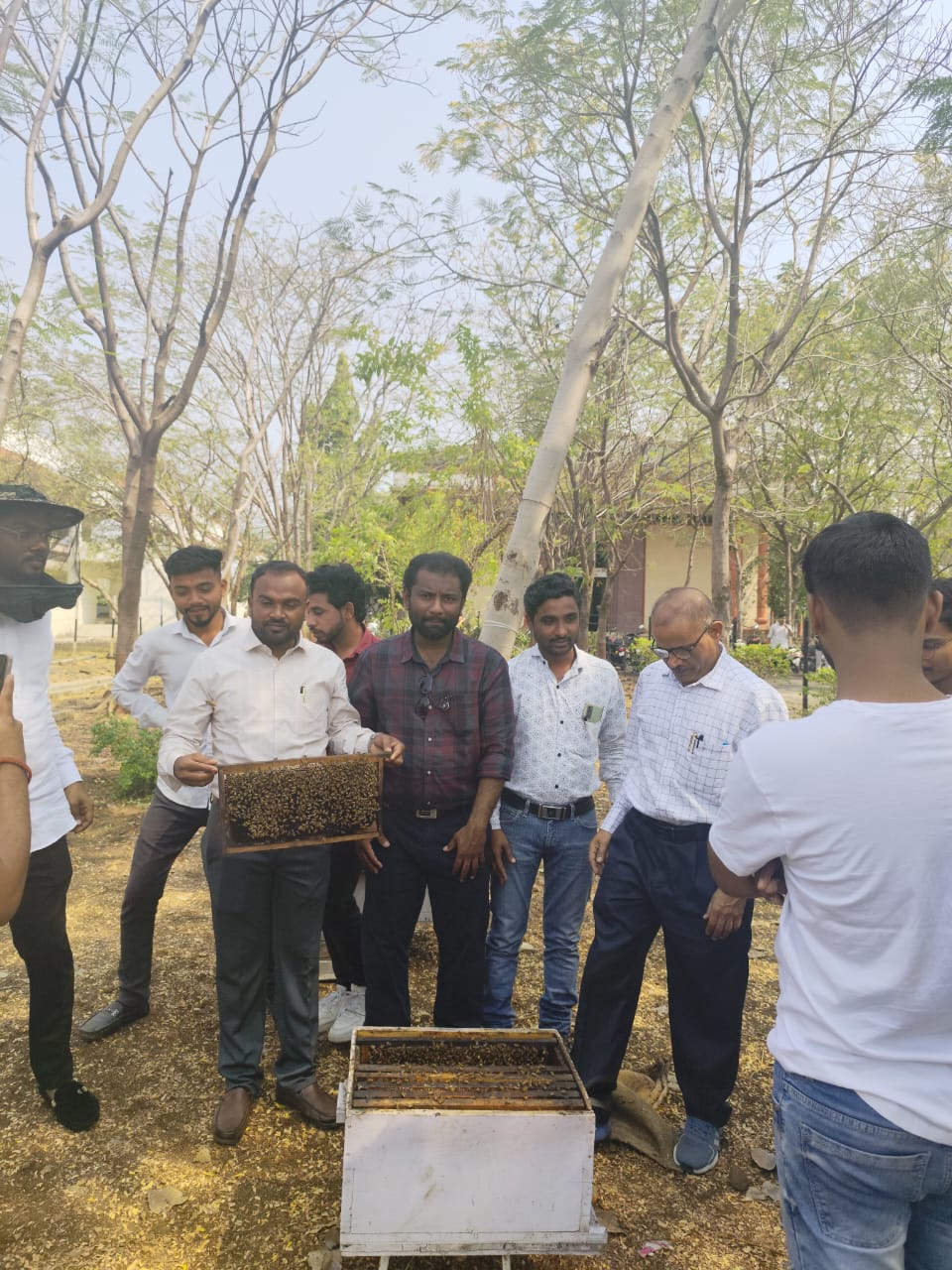
1. Exposure of students to animal diversity and to provide them systematic tools of traditional and modern types to acquire this knowledge and skill. 2.To update the syllabus essential for appearing in NET, SET, GATE, ASRB and other competitive exams of UPSC and MPSC. 3. To make aware the students to know the natural resources of the country, to utilize by sustainable methods and conservation of living resources. 4.To develop trained and knowledgeable human resources for educational and research institutions and industries; to use this human resource for a self-reliant India. 5.To develop self-employable ability and to apply knowledge for several agro-based industries like sericulture, Goat farming and Apiculture it will also provide employment to other dependents. |
Outcomes
1. The students will be acquainted to animal diversity, its present status and applied use. 2. Students will get the knowledge and skill from learning this course for self employment and will provide job for others for entrepreneurship development. 3. The students will get updated knowledge of basic and applied branches of Zoology so as to qualify for various state and national-level competitive examinations to get employment. 4. The learned students of this course will be leaders in the educational and research institutions and for the industries in the country and abroad. 5. To develop self-reliant human resources for entrepreneurship and employability to make our country self-reliant. |
3.M. Sc Microbiology
Objectives
1. To provide fundamental and advanced knowledge in order to produce creative and imaginative microbiologists.
2. To practice Microbiological laboratory techniques in support of various industrial fermentations.
3. To equip students with knowledge of applied branches of Microbiology.
Outcome :
- Master’s programme in microbiology will address & satisfy needs like: Skilled Microbiologist for industries and fundamental research
2. M.Sc. Microbiology student will have in-depth knowledge about microbial diversity, physiology & metabolism, pathogenicity, Resistance, Microbial genetics, bioinstrumentation, Agricultural & pharmaceutical Microbiology.
4.M. Sc Biotechnology
Objectives:
PEO1: To offer postgraduate programs in Biotechnology based on the needs of industries, academic and research institutions worldwide. PEO2: To promote and popularize Biotechnology at the grassroots level and attract young and budding talents. PEO3: To expose the students to the different emerging fields of Biotechnology. PEO4: To update the curriculum by introducing recent advances in the subject that enable the students to face NET, SET, MPSC, UPSC and other competitive examinations successfully. PEO5: To train and orient the students so as to develop human resources for the educational institutes and other organisations. PEO6: To inculcate analytical and application-oriented abilities to create active and frontline researchers and human resources for the industries. PEO7: To develop specific skills amongst students for self-employment and also for the development of their own enterprises. |
Outcome:-
PO1: This Biotechnology program shall promote and popularise Biotechnology at the grassroots level and attract young and budding talents. PO2: This program will expose the students to the different emerging fields of Biotechnology. PO3: This will provide an updated curriculum with recent advances in the subject that enable the students to face NET, SET, MPSC, UPSC and other competitive examinations successfully. PO4: This program shall train and orient the students so as to develop human resources for the educational institutes and other organisations. PO5: This program shall train and orient the students so as to develop active and frontline researchers and human resources for the industries. PO6: This will also develop specific skills amongst students for self-employment and also for the development of their own enterprises. |
5. B. Sc. Medical Laboratory Technology
Objectives:
1. Build strong laboratory skills – Teach students to perform a variety of diagnostic tests in biochemistry, microbiology, pathology, haematology, histology, immunology, and other lab areas. 2. Ensure accuracy in test results – Train students to work with care and follow correct procedures so results are reliable. 3. Promote ethics and professionalism – Encourage honesty, responsibility, and confidentiality in all lab work. 4. Develop problem-solving skills – Help students detect errors, troubleshoot issues, and understand test reports. 5. Teach safety in the lab – Guide students in safe handling of samples, proper waste disposal, and infection control. 6.Introduce modern technology – Familiarize students with advanced laboratory machines and updated testing methods. Outcomes:-
|
M. Sc. Zoology F. Y. and S. Y. Syllabus- 2020 onwards
M.Sc. I Year Bio-Technology Campus CBCS Syllabus wef June 2019-20 (OLD)
M.Sc. I Year Microbiology Campus CBCS Syllabus wef 2019-20
M.Sc. I Year Botany Campus CBCS Syllabus wef 2019-20
M.Sc. I Year Zoology Campus CBCS Syllabus wef 2019-20
M.Sc. Zoology Campus Syllabus w.e.f 2017
- M.Sc. Zoology Campus Syllabus w.e.f 2017
- MSc Botany First Year Campus School 2023-2024
- MSc Botany First Year Campus School 2023-2024
- MSc Botany Campus Second Year Syllabus wef 2024-2025
- MSc Botany Campus Second Year Syllabus wef 2024-2025
- MSc Zoology First Year Campus 2023-2024
- MSc Zoology First Year Campus 2023-2024
- MSc Zoology Campus Second Year Syllabus 2024-2025
- MSc Zoology Campus Second Year Syllabus 2024-2025
- MSc Microbiology First year Campus 2023-2024
- MSc Microbiology First year Campus 2023-2024
- MSc Microbiology Campus Second Year Syllabus 2024-2025
- MSc Microbiology Campus Second Year Syllabus 2024-2025
- MSc Biotechnology First Year Campus 2023-2024
- MSc Biotechnology First Year Campus 2023-2024
- MSC Biotechnology Campus Second Year Syllabus 2024-2025
- MSC Biotechnology Campus Second Year Syllabus 2024-2025
- BSc MLT Syllabus 2025-26
- BSc MLT Syllabus 2025-26
- PGDMLT Syllabus 2023
- PGDMLT Syllabus 2023
| Sr. No | Name of the Teacher | Designation | Qualification | Specialization |
|---|---|---|---|---|
| 1 | Dr. T. A. Kadam | Senior Professor | M.Sc. SET Ph. D. | Biotechnology |
| 2 | Dr. Mrs. A. P. Pathak | Professor | M.Sc. SET Ph. D. | Microbiology |
| 3 | Dr. B. S. Surwase | Professor and Director | M.Sc. Ph. D. | Botany, Biotechnology |
| 4 | Dr. S. P. Chavan | Senior Professor | M.Sc. Ph. D. | Zoology |
| 5 | Dr. L. H. Kamble | Professor | M.Sc. Ph. D. | Biotechnology, Bioinformatics |
| 6 | Dr. Mrs. H. J. Bhosale | Professor | M.Sc. SET Ph.D. | Microbiology |
The following equipments and software are available at the School of Life Sciences
- HPTLC
- SeeSAR- Software for Bioinformatics
- Biovia Discovery Studio
- Zeiss Microscope with Photography arrangement
- 2D Gel Electrophoresis
- Fermenter
- UV-Visible Spectrophotometer
- Microtome Machine
- Cell Counter
- Biochemistry analyser
- RT-PCR
- -800C freezer
- Cooling Centrifuge
- Cooling Shaking Incubators
- ELISA Reader
- Gel Documentation System
- Inverted Microscopes
- Plant tissue culture facility
- Student’s Library
Progression_to_Higher_Education_Life_Sciences
| Sr. No. | Name of student enrolling | Program graduated from | Name of institution admitted | Name of programme admitted | Academic Year |
|---|---|---|---|---|---|
| 1 | Gangadhar Tambre | M Sc Zoology | School of Geography, University of Leeds, UK, LS29JT | PhD Student | 2021-2022 |
| 2 | Ghyar Minakshi Rameshwar | Post Graduate Diploma in Medical Laboratory Technology (PGDMLT) | PGDMLT Internship | PGDMLT | 2024-25 |
| 3 | Bharati Shubhangi | M.Sc. (Zoology) | Shivaji College, Parbhani | Ph. D. Zoology | 2023-24 |
| 4 | Ms. Swati Shankarrao Bakwad | M.Sc. (Microbiology) | School of Life Sciences, SRTMUN | Ph. D. Microbiology | 2022-23 |
| 5 | Ms. Pooja Ashok Sonsale | M.Sc. (Microbiology) | School of Life Sciences, SRTMUN | Ph. D. Microbiology | 2022-23 |
| 6 | Ms. Anita Ashokrao Satpute | M.Sc. (Botany) | School of Life Sciences, SRTMUN | Ph. D. Botany | 2022-23 |
| 7 | Mr. Nagesh Arjunrao Dhole | M.Sc. (Biotechnology) | School of Life Sciences, SRTMUN | Ph. D. Botany | 2022-23 |
| 8 | Ms. Sujata Dattatraya Bembade | M.Sc. (Biotechnology) | School of Life Sciences, SRTMUN | Ph. D Biotechnology | 2022-23 |
| 9 | Ms. Farheen Afsh Shaker Shaikh | M.Sc. (Biotechnology) | School of Life Sciences, SRTMUN | Ph. D. Botany | 2022-23 |
| 10 | Ms. Pooja Agarwal | M.Sc. (Biotechnology) | School of Life Sciences, SRTMUN | Ph. D. Biotechnology | 2022-23 |
| 11 | Mr. Ajit Dake | M.Sc. (Microbiology) | The Kreitman School of Advanced Graduate studies, BEN-GURION UNIVERSITY OF THE NEGEV | Ph. D. Life Sciences | 2021-22 |
| 12 | Mr. Mamdapure Shaileshkumar Vaijinath | M.Sc. (Microbiology) | School of Life Sciences, SRTMUN | Ph. D. Microbiology | 2021-22 |
| 13 | Mr. Jadhav Amol Sheshrao | M.Sc. (Microbiology) | School of Life Sciences, SRTMUN | Ph. D. Microbiology | 2021-22 |
| 14 | Ms. Jadhav Pallavi Baburao | M.Sc. (Microbiology) | School of Life Sciences, SRTMUN | Ph. D. Microbiology | 2021-22 |
| 15 | Mr. Lad Bhagvat Dhondiram | M.Sc. (Microbiology) | School of Life Sciences, SRTMUN | Ph. D. Microbiology | 2021-22 |
| 16 | Mr. Jadhav Sunil Bhimrao | M.Sc.(Microbiology) | School of Life Sciences, SRTMUN | Ph. D. Microbiology | 2021-22 |
| 17 | Mr. Jadhav Mahesh Panditrao | M.Sc.(Microbiology) | School of Life Sciences, SRTMUN | Ph. D. Zoology | 2021-22 |
| 18 | Mr. Achegave Rajesh | M.Sc.(Zoology) | School of Life Sciences, SRTMUN | Ph. D. Zoology | 2021-22 |
| 19 | Ms. Tabassum Fatema Shaikh Aslam | M.Sc.(Zoology) | School of Life Sciences, SRTMUN | Ph. D. Zoology | 2021-22 |
| 20 | Ms. Razvi Ummekhani | M.Sc.(Biotechnology) | School of Life Sciences, SRTMUN | Ph. D. Bioinformatics | 2021-22 |
| 21 | Ms. Hatkar Rutika Bhanudas | M.Sc.(Biotechnology) | School of Life Sciences, SRTMUN | Ph D Biotechnology | 2021-22 |
| 22 | Mr. Mazen Mohammad Mamoun Abdulghani | M.Sc. (Biotechnology) | School of Life Sciences, SRTMUN | Ph. D Biotechnology | 2021-22 |
| 23 | Mr. Govind Apparao Suryawanshi | M.Sc. (Botany) | School of Life Sciences, SRTMUN | Ph. D. Botany | 2021-22 |
| 24 | Ms. Pathan Samreen Saifullah | M.Sc. (Botany) | School of Life Sciences, SRTMUN | Ph. D. Botany | 2021-22 |
| 25 | Ms Sayeda Gulrez | M.Sc. (Zoology) | School of Life Sciences, SRTMUN | Ph. D. Zoology | 2021-22 |
| 26 | Mr. Ramdas Ganpatrao Bhong | M.Sc. (Biotechnology) | School of Life Sciences, SRTMUN | Ph D. Biotechnology | 2021-22 |
| 27 | Ms. Preeti Bhagwanrao Jamdade | M.Phil. (Biotechnology) | School of Life Sciences, SRTMUN | Ph D Biotechnology | 2021-22 |
| 28 | Laeequrreheman Md. Shafiqurreheman | M.Sc. (Biotechnology) | School of Life Sciences, SRTMUN | Ph. D. Bioinformatics | 2021-22 |
| 29 | Mr. Tigote Dhananjay Dashrath | M.Sc. (Zoology) | School of Life Sciences, SRTMUN | Ph. D. Zoology | 2021-22 |
| 30 | Sumayya Fatima Ansari Mohd Masooduddin Ansari | M.Phil. (Zoology) | School of Life Sciences, SRTMUN | Ph. D. Zoology | 2021-22 |
| 31 | Pathan Gajalashahin Karimkha | M.Sc. (Biotechnology) | School of Life Sciences, SRTMUN | Ph D Biotechnology | 2021-22 |
| 32 | Sanjay Uttamrao Chavan | M.Sc. (Microbiology) | Swami Ramanand Teerth Marathwada University, Nanded | Ph.D. in Microbiology | 2021-22 |
| 33 | BHAGVAT DHONDIRAM LAD | M.Sc. (Microbiology) | SCHOOL OF LIFE SCIENCES SRTMUN | PHD IN MICROBIOLOGY | 2021-22 |
Qualified_Students_of_NET/SET/GATE_&_Other_Exams_Life_Sciences
| Sr. No. | Name of Student | Name of Program | Name of Exam | Academic year |
|---|---|---|---|---|
| 1 | Samreen Pathan | M Sc Botany | SET | 2023-24 |
| 2 | Suryawanshi Govind Apparao | M Sc Botany | SET, NET | 2022-23 |
| 3 | Shyam Dnyanoba Naiknaware | M Sc Botany | SET | 2022-23 |
| 4 | Rushikesh Satpute | M.Sc. Botany | NET | 2024-25 |
| 5 | Komal Chaudhary | M.Sc. Microbiology | SET | 2023-24 |
| 6 | Bhaghyashri Lanjewar | M.Sc. Microbiology | GATE | 2024-25 |
| 7 | Sarfaraz Patel | M.Sc. Botany | NET | 2020-21 |
| 8 | Prajakta Chandolkar | M.Sc. Zoology | NET | 2023-24 |
| 9 | Somesh Kute | M.Sc. Microbiology | SET | 2023-24 |
| 10 | Anil Shinde | M.Sc. Botany | NET, SET,GATE | 2021-22 |
| 11 | Navnath Fatangale | M.Sc. Microbiology | NET | 2023-24 |
| 12 | Chandrakant Khandagale | M.Sc. Botany | GATE | 2024-25 |
| 13 | Prajakta Ajgar | M.Sc. Microbiology | GATE | 2022-23 |
| 14 | Sanjay U Chavan | M.Sc. Microbiology | GATE | 2024-25 |
| 15 | Sushama Suryawanshi | M.Sc. Botany | GATE | 2022-23 |
| 16 | Darshana Chawade | M.Sc. Microbiology | GATE | 2023-24 |
| 17 | Sonali Girdhari | Ph.D. Microbiology | NET | 2024-25 |
| 18 | Vaibhavi Burande | M.Sc. Microbiology | GATE | 2023-24 |
| 19 | Aniket Sawake | M.Sc. Zoology | GATE | 2022-23 |
| 20 | Vidya Bharat Sukare | M.Sc. Zoology | NET | 2024-25 |
| 21 | Vidya Bharat Sukare | M.Sc. Zoology | SET | 2023-24 |
| 22 | Sandhya Shelke | M.Sc. Microbiology | GATE | 2022-23 |
| 23 | Gunjan Komalwar | M.Sc. Zoology | GATE | 2022-23 |
| 24 | Vinayak Malge | M.Sc. Biotechnology | SET | 2022-23 |
| 25 | Darshan Patil | M.Sc. Zoology | GATE | 2022-23 |
| 26 | Pavan Jadhav | M.Sc. Zoology | SET | 2022-23 |
| 27 | Vaibhavi Burande | M.Sc. Microbiology | SET | 2022-23 |
| 28 | Gudda Rani | M.Sc. Microbiology | SET | 2022-23 |
| 29 | Motiram Borkar | M.Sc. Zoology | NET | 2022-23 |
| 30 | Vaibhavi Burande | M.Sc. Microbiology | NET | 2021-22 |
| 31 | Aniket Sawake | M.Sc. Zoology | NET | 2021-22 |
| 32 | Rajesh Achegave | M.Sc. Zoology | GATE, SET | 2021-22 |
| 33 | Akshay Chavan | M.Sc. Zoology | SET | 2021-22 |
| 34 | Rama Govande | M.Sc. Biotechnology | NET | 2022-23 |
| 35 | Shwetah Hage | PGDMLT | GATE | 2023-24 |
| 36 | Shubham Holambe | M.Sc. Microbiology | SET | 2023-24 |
Major Achievements
- School of Life Sciences has started four PG, one UG, one PGDMLT, and research programs in a short span from its opening, viz. Botany, Microbiology, Biotechnology, Zoology.
- The students of the School of Life Sciences have been placed in various reputed research and education institutes, industries, and NGOs. Some are entrepreneurs too.
- The school has attracted students from overseas for the PG and research programs
Special features
- The School of Life Sciences faculty have completed research projects from various funding agencies of Rs. 2.5 Crores.
- The School of Life Sciences is DST-FIST and UGC-SAP supported. Level-1 and Level-2 of DST-FIST and SAP-I have been completed.
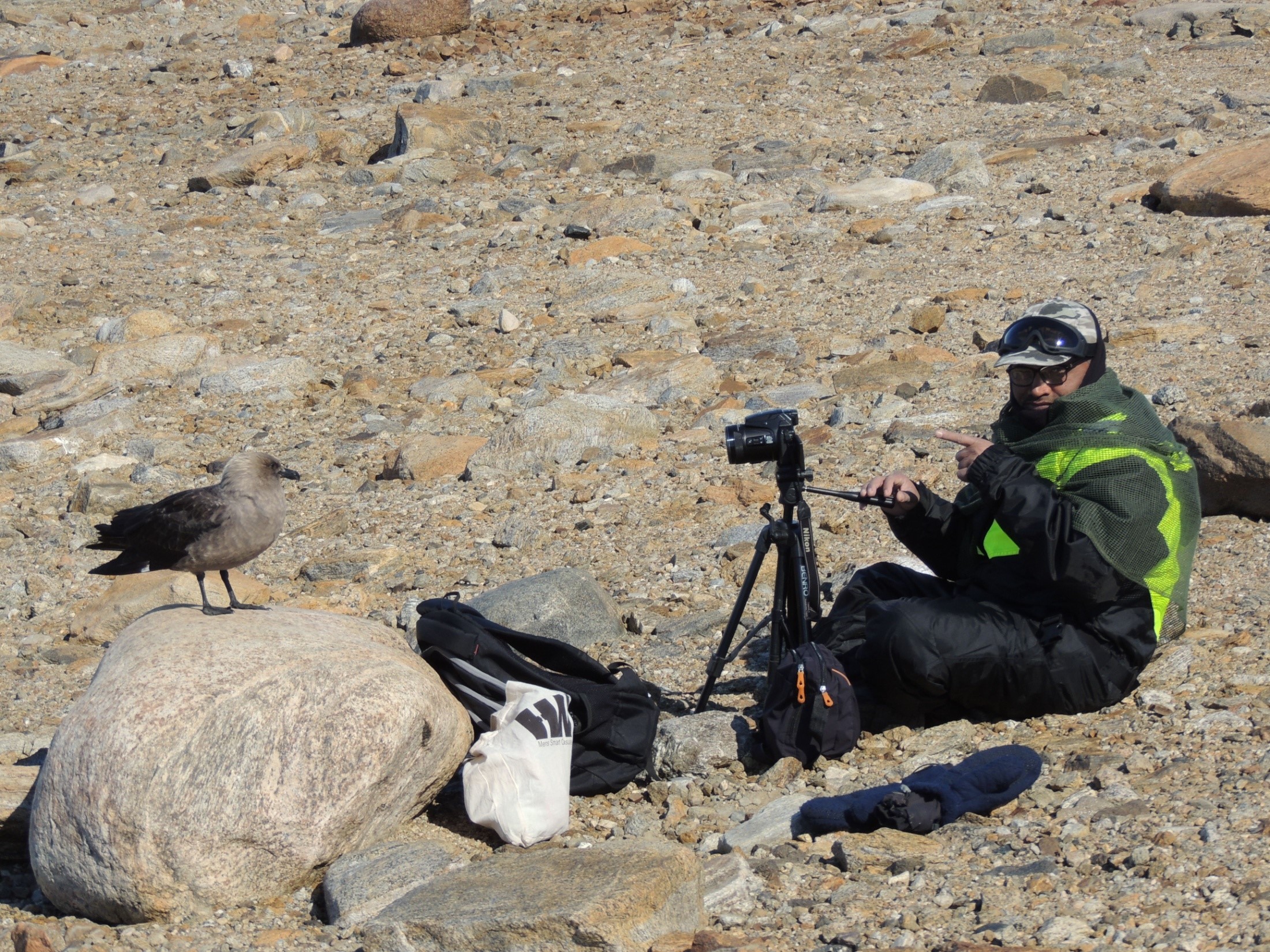
- The faculty of SLS is pursuing research in identified thrust areas and also in various disciplines of Life Sciences, viz., enzyme technology, microbial technology, extremophiles biodiversity, avian ecology and parasitology, plant tissue culture, phytochemistry, industrially important actinomycetes, and bioactivities.
Thrust area of research o School of Life Sciences is on anti-biofilm activity potential of bio-molecules, anti-oxidant and anti-sickling activity of formulations under the UGC-SAP Phase-II. In addition to this the faculty members from the School of Life Sciences pursuing research activities in following different areas
- Enzyme, pharmaceutical and Nano-bitechnology
- Bioactive molecules from actinobacteria
- Extremophiles biodiversity
- Plant tissue culture, fruit and vegetable processing.
- Avian ecology, Fish Parasitology
- Mycorhizal diversity
- Phytochemical analysis and biochemistry.
- Microbial enzymes, Biosurfactants and bioactive compounds
- Development of heat tolerant and climate resilient wheat cultivars
Extension activities
- Filaria awareness program at filarial endemic village- Pethwadaj, Dist. Nanded
- Identification of plants having medicinal value
- Popular lectures on Life Sciences.
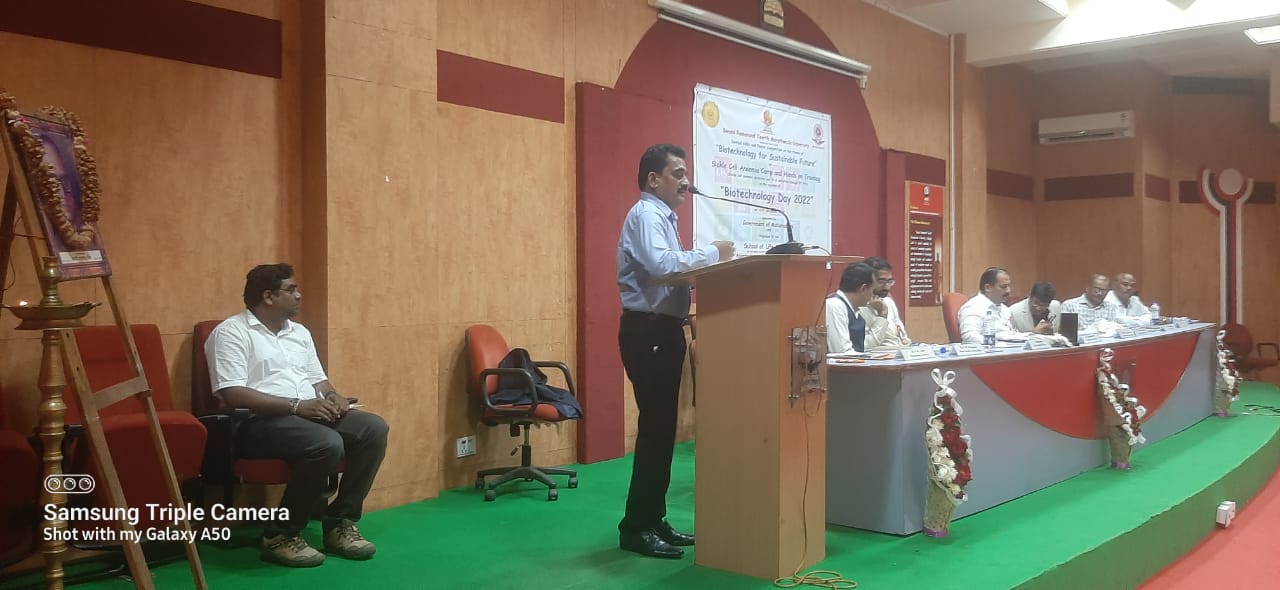
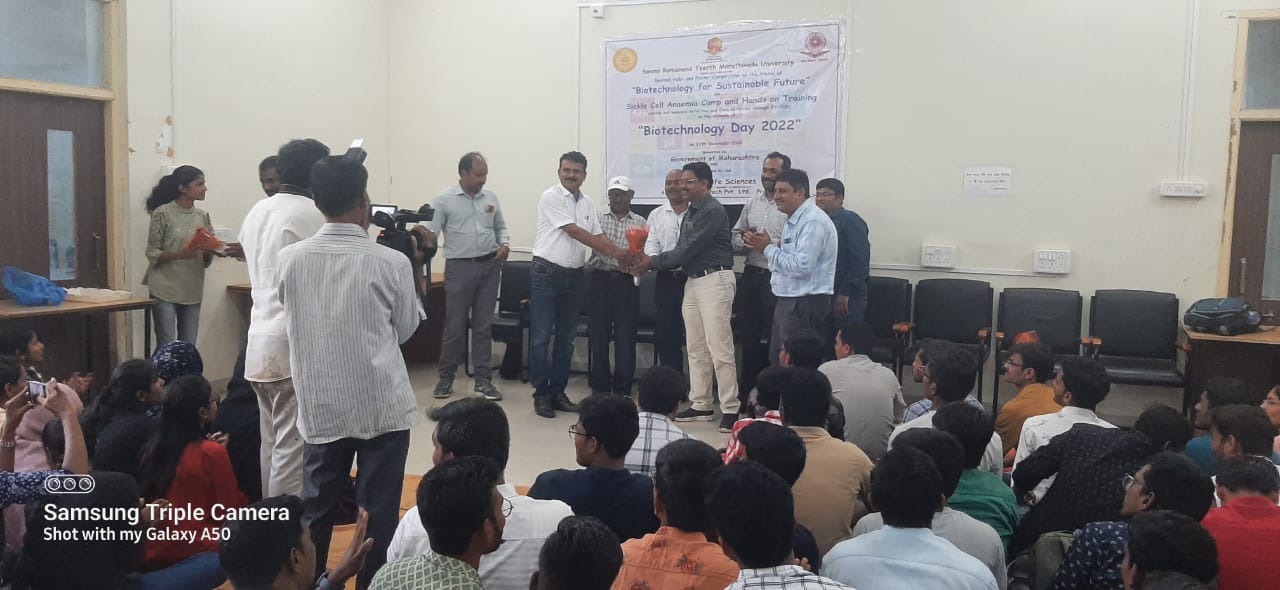
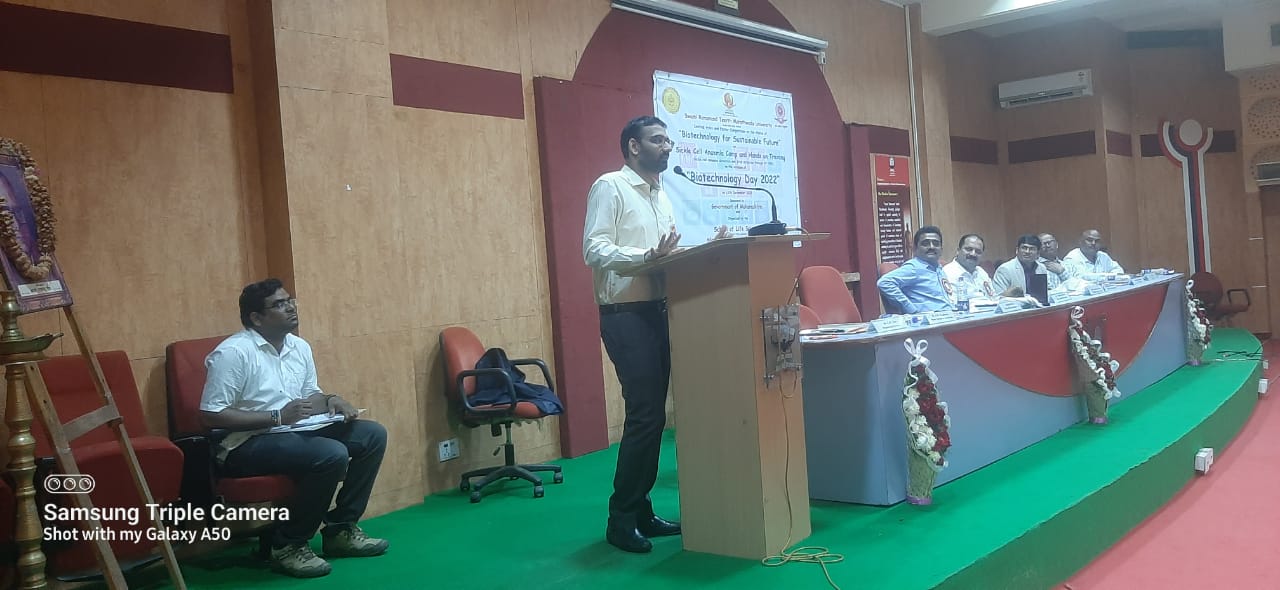
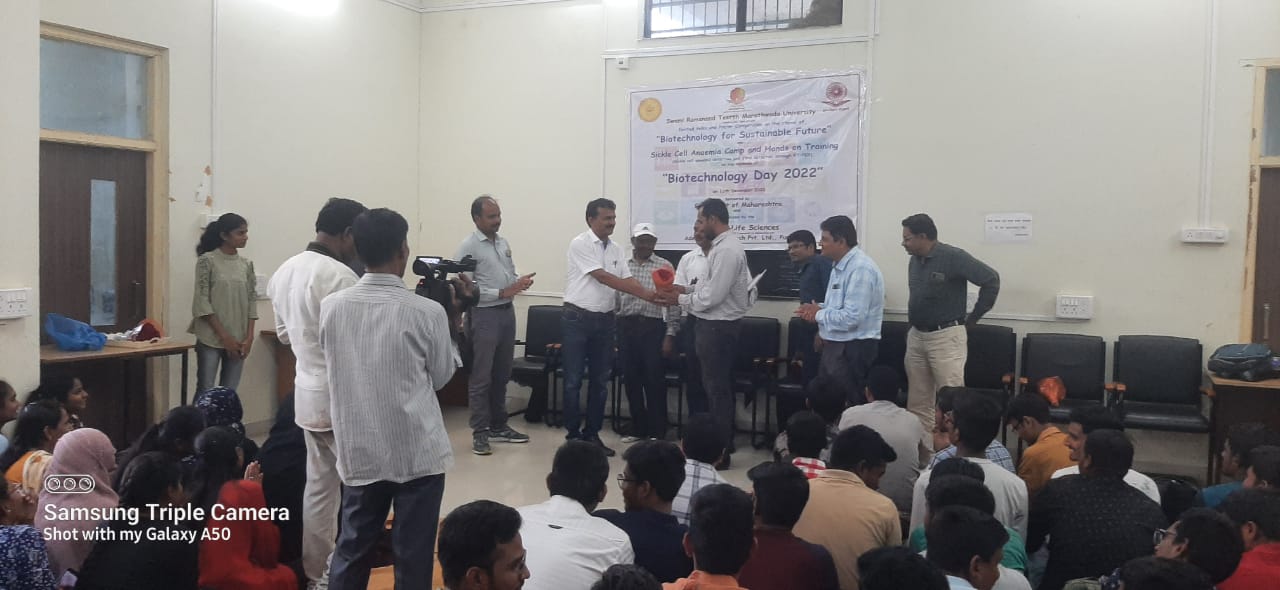
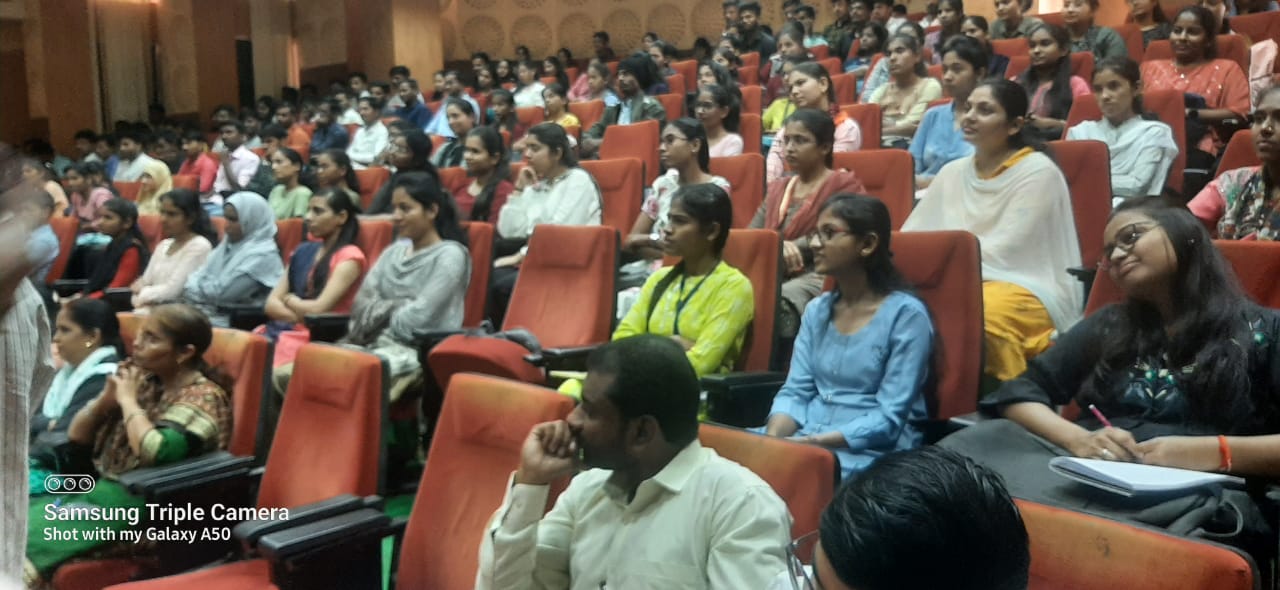
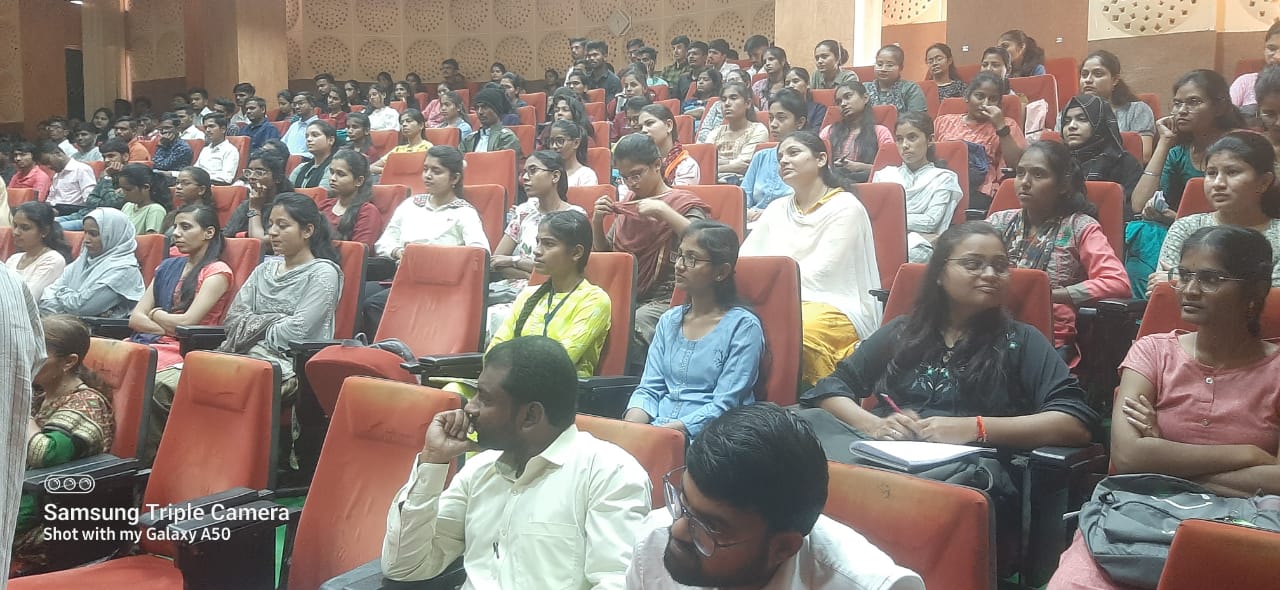
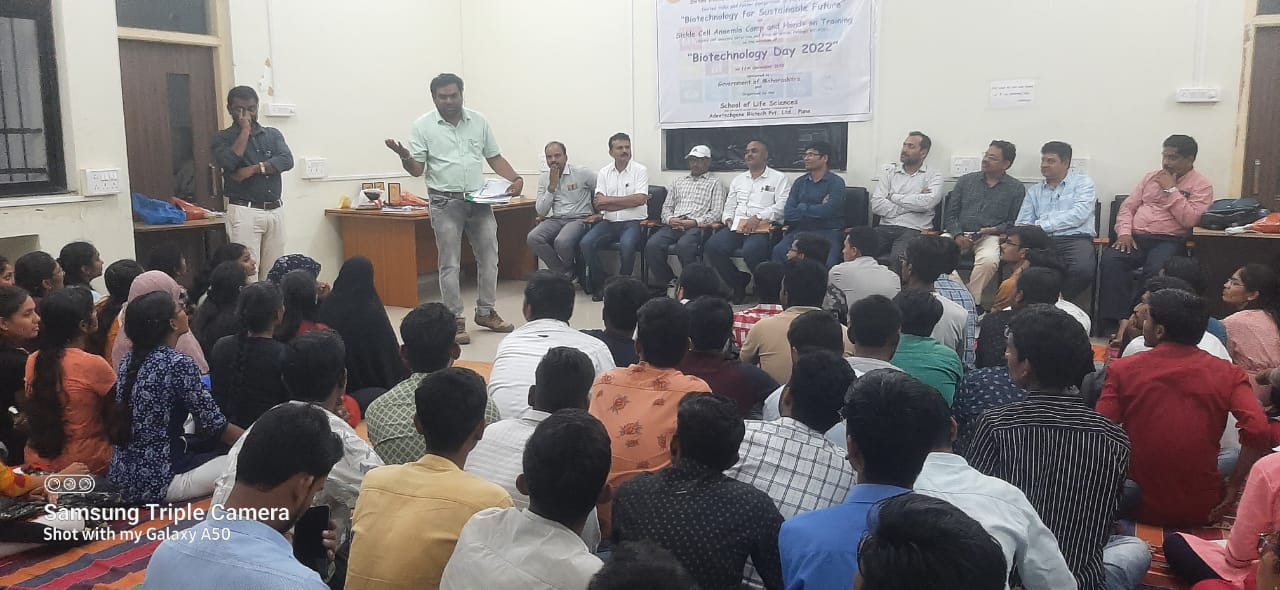
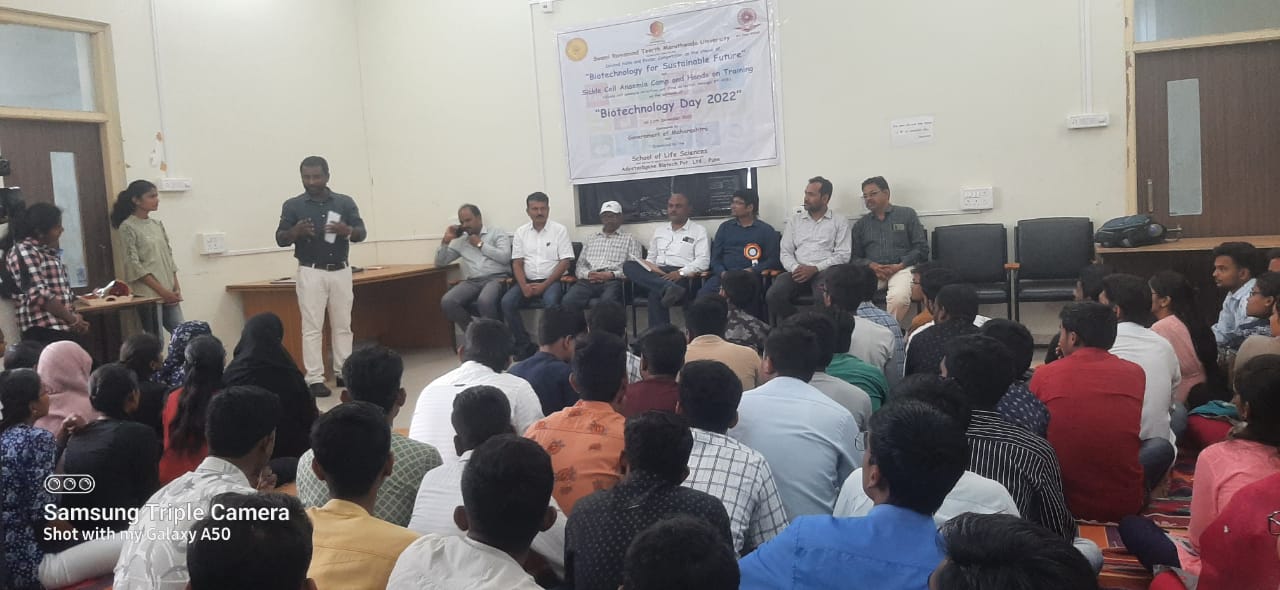
- Celebration of Biotechnology Day and to dissimilate knowledge of biotechnology.
A) Patents:
- Prof. A.P. Pathak (2021), International Patent No. 2021104201, Patent title: An organic food preservative composition.
- Prof. H.J. Bhosale (2021), International Patent No. 2021107404, Patent title: A Method Of Food Preservation Using Bamboo Conduits And Pipes.
B) Consultancy:
- Dr B S Surwase: Consultancy on Identification of wild/medicinal plants.
The faculty members from the School of Life Sciences are pursuing research activities in the following areas
- Plant tissue culture, fruit and vegetable processing.
- Enzyme, pharmaceutical biotechnology, and Nano-biotechnology
- Bioactive molecules from plants and actinobacteria
- Phytochemical analysis and biochemistry.
- Extremophiles biodiversity
- Bioactivities of medicinal plants
- Avian ecology, Fish Parasitology
- Microbial enzymes, Biosurfactants
Extension activities
- Filaria awareness program at filarial endemic village- Pethwadaj, Dist. Nanded
- Identification of plants having medicinal values
- Popular lectures on Life Sciences.
- Celebration of Biotechnology Day and to disseminate knowledge of biotechnology.
- a) Infinite Biotech, Sangli
- b) Sahyog Sonography Center, Nanded
- c) Sahyog Pathology Lab, Nanded
- d) Dr. Shankarrao Chavan Medical College and Hospital, Nanded
- e) KFERTS, Nanded
| Sr. No. | Name Of The Student | Ph. D. / M. Sc./ PGDMLT | Year of Passing | Institute/Industry |
|---|---|---|---|---|
| 1 | Dr. G. B. Zore | M. Sc. Ph. D. (Biotech) | 2023 | Professor Department of Biotechnology Central University Of Rajasthan NH-8, Bandar Sindri, Dist-Ajmer-305817, Rajasthan [INDIA] [email protected] 8605632007 |
| 2 | Dr. Nile S. H. | M. Sc. Ph. D. (Biotech) | 2003 | Scientist C, BRIC-National Agri-Food and Biomanufacturing Institute(Formerly NABI & CIAB), Main Campus, Sector 81, Sahibzada Ajit Singh Nagar, Punjab – 140306 |
| 3 | Dr. Lade H. S. | M. Sc. Ph. D. (Biotech) | 2003 2007 | Associate Professor, MIT School of Bioengineering Sciences & Research, MIT-ADT University, Pune |
| 4 | Dr. Ragini Bodhade | Ph. D. (Micro) | 2008 | Assistant Professor, SPPU, Pune |
| 5 | Dr. Shrawanti Rampalli | M. Sc. (Biotech) | 1999 | Asst. Investigator, Welcome Trust, Institute of Stem Cell Biology and Regenerative Medicine, Bengaluru |
| 6 | Harris Poulochan Panakkal | M. Sc. (Micro) | 2000 | Assistant Professor, Dept. of Biotechnology, Govt. Institute of Science, Nipat Niranjan Nagar, Aurangabad, M. S. |
| 7 | Dr. Mukund Adsul | M. Sc. (Biotech) | 1999 | Principal Scientist and Head, Sardar Patel Renewable Energy Research Institute, Gujarat. |
| 8 | Dr. Aparna Rajkumar | Ph. D. (Micro) | 2017 | Assistant Professor, Sinhagad College of Science, Pune. |
| 9 | Ghatbandhe Pankaj | M. Sc. (Biotech) | 2018 | Assistant Professor, Sinhagad College of Science, Pune. |
| 10 | Dr. S. K. Holkar | Ph. D. (Biotech) | 2014 | Asst. Prof. Biotechnology, Hislop college, Nagpur. M. S. |
| 11 | Dr. Rajendra Patil | M. Sc. (Biotech) | 2003 | Asst. Prof. Biotechnology, S. P. Univ. Pune |
| 12 | Dr. Laxman Sawargave | M. Sc. (Biotech) | 2003 | Genova Biopharmaceuticals, Pune |
| 13 | Dr. Wagh Nilesh | M.Sc.,Ph. D. (Biotech) | 2018 | Asst. Prof., AMITY University, Navi Mumbai |
| 14 | Dr. Ramees Muhammed | Ph. D. (Biotech) | 2017 | [email protected] Ministry of Public Health, Qatar. |
| 15 | Motarwar Bhushan Bharatrao | M. Sc. (Biotech) | 2017 | Serum Institute of India Pvt. Ltd. Pune |
| 16 | Harane Gopal Narayan | M.Sc. | 2006 | Environmental Consultant [email protected] |
| 17 | Mr. Tambre Gangadhar | M. Sc. Zoology | 2017 | Project Assistant, Benthos Research Group, NIO, GOA |
| 18 | Mr. Vaibhav Nagne | M. Sc. | 2017 | Businessman, Royal Agro Industry |
| 19 | Mr. Dake Ajit | M. Sc. (Zoo) | 2017 | Project Fellow, NIO, Goa |
| 20 | Dr. Shivaji V. Poul | Ph. D. (Zoo) | 2012 | Asst. Prof. Zoology, M. P. College, Palam, Dist. Parbhani |
| 21 | Dr. Ramdas Bhong | Ph. D. (Micro) | 2024 | Group Leader IVDR, DNV Product Assurance AS, Høvik, Oslo, Norway 1363. [email protected] |
| 22 | Dr. Ravindra Deshpande | M. Sc. (Micro) | 2017 | Postdoctoral scientist, Wake Forest University School of Medicine, Winston-Salem, NC USA |
| 23 | Satish Namdev Kathode | PGDMLT | 2021-2022 | Malaria department as a laboratory scientific officer |
| 24 | Sayyad Shajim Sayyad Sadak | M.Sc.(Zoo) | 2020-2021 | Assistant Professor (Contractual) |
| 25 | Vishakha Milind Kapure | PGDMLT | 2023-2024 | Lab Technician, PH Department, Nanded |
| 26 | Kapure Vishakha Milind | PGDMLT | 2023-2024 | Lab Technician, PH Department, Nanded |
| 27 | Sarfaraz Shafiq Patel | M.Sc.(Bot) | 2021-2022 | Project Research Assistant, IIT Bombay |
| 28 | Rameshwar Pandhrinath Wankhede | PGDMLT | 2023-2024 | Shree Clinical Laboratory Sonkhed Tq Loha Dist Nanded 431708 |
| 29 | Shivraj Datta Toshatwad | PGDMLT | 2021-2022 | Senior Research Fellow At ICMR-National Institute Of Nutrition Hyderabad |
| 30 | Shinde Anil Chitambar | M.Sc.(Bot) | 2023 | Assistant Professor at Shri Datta Arts Commerce and Science College Hadgaon. |
| 31 | Gajanan Shrawan Sonule | PGDMLT | 2020-2021 | Laboratory Scientific Officer [ PHC Bhosi , Tq. Bhokar, Dist Nanded |
| 32 | Suresh Ganeshrao Bhosle | PGDMLT | 2021-2022 | Post -Laboratory Technician At. Government Ayueved College Nanded. |
| 33 | Amrapali Rajkumar Dhutraj | PGDMLT | 2020-2021 | As a Lab technician…DMO office At .Phc Pathargvhan |
| 34 | Shubham Kale | M.Sc.(Bot) | 2021-2022 | Biology faculty at Vedantu |
| 35 | Vankat Laxman Mhetre | PGDMLT | 2021-2022 | Government Medical College, Parbhani |
| 36 | Parmeshwar Tidke | PGDMLT | 2020-2021 | Laboratory owner, Nanded |
| 37 | Anushka Chandrakant Rathore | M.Sc. (Bot) | 2023-2024 | Professor at IIB (Indian Institute of Biology), Nanded. |
| 38 | Pratap Ghogare | PGDMLT | 2022-2023 | Laboratory Scientific Officer, Primary Health Center Karkheli Tq. TQ. Dharmabad |
| 39 | Vaibhav Kausale | PGDMLT | 2021-2022 | Lab Scientific Officer, Nanded |
| 40 | Ganesh Jadhav | M.Sc. (Biotech) | 2023-2024 | Executive Officer, Pathology Lab, Nanded |
| 41 | Prajakta Balaji Chandolkar | M.Sc. (Zoo) | 2022-2023 | Assistant professor (contractual), SLS, SRTMU Nanded |
| 42 | Gautam Tanaji Kamble | Ph.D. (Micro) | 2024 | Assistant Professor (Microbiology), SLS, SRTMU Nanded |
| 43 | Dipak Jadhav | M.Sc. (Biotech) | 2022-2023 | Quality Control Microbiology Officer ( FDC Limited, Sambhajinagar) |
| 44 | Vishnu Ambadas Kawarkhe | M.Sc. (Biotech) | 2023-2024 | Working as a QC officer in Wockhardt Biotech Park, Chatrapati Sambhajinagar |
| 45 | Santosh Laxman Sakhare | M.Sc. (Micro) | 2023-2024 | Trainee Microbiologist (QC Micro Department), Anthea Pharma Hyderabad. |
| 46 | Dr. Milind Narayanrao Gaikwad | Ph.D. (Bot) | 2020-2021 | Assistant Professor, Botany, SLS S.R.T.M. University Nanded |
| 47 | Diksha Dnyaneshwar Wankhede | M.Sc. (Biotech) | 2022-2023 | As a Laboratory Scientific Officer in Maharashtra Health Department Nagpur |
| 48 | Panchal Ramdas Balaji | M.Sc. (Micro) | 2022-2023 | Officer in Anthea Pharma |
| 49 | Shambhavi Ramrao Pathak | M.Sc. (Biotech) | 2020-2021 | Working as project coordinator in HPS GES PMO @ Honeywell Automation India Pvt Ltd., Pune |
| 50 | Rani Shivkant Gudda | M.Sc. (Micro) | 2021-2022 | Lecturer at Rajarshi Shahu Mahavidyalay Latur |
| 51 | Shravanti Rampalli | M Sc (Micro) | 2015 | Scientist at the Institute for Genomics and Integrative Biology, DST CSIR Lab New Delhi, Delhi, India |
| 52 | Bhagwan Narayan Rekadwad | M Sc Ph D (Micro) | 2019 | Associate Professor, Yenepoya University, Mangalore, India |
| Sr No. | Guest/Visitor | Address |
|---|---|---|
| 1 | Dr S. K. Ghosh, | Former Scientist G, ICMR |
| 2 | Dr Chaitali Ghosh | TIGS, Banglore |
| 3 | Dr. Yogesh Shouche | CCS, Pune |
| 4 | Dr. Kulvinder Singh Gill | Department of Crop and Soil Science, Washington State University, Pullman, Washington, USA |
| 5 | Dr. Dipti Deobaghkar (Member UGC-SAP Advisory Committee, SLS, SRTMUN) | S. P. Pune University, Pune |
| 6 | Dr. V. L. Maheshwari (Member UGC-SAP Advisory Committee, SLS, SRTMUN) | Hon’ble Vice Chancellor, K. B. C. North Maharashtra Univ., Jalgaon |
| 7 | Prof. Harinda Singh Balyan | Hon. Emeritus Professor & INSA Senior Scientist, Department of Genetics & Plant Breeding, Ch. Charan Singh University, Meerut |
| 8 | Dr. Mahesh J. Kulkarni | NCL, Pune |
| 9 | Dr. Ajay Jha | Colorado State University, Colorado, USA |
| 10 | Dr. Ashok Giri | NCL, PUNE |
| 11 | Mr. Sanjay Wayal, | Ishved Biotech Pvt. Ltd, Pune. |
| 12 | Dr. V. Selvraj | Saskatoon, Canada |
| 13 | Prof. P. K. Gupta | CCSU, Meerut |
| 14 | Dr. Baban Ingole | Visiting Scientist, NCPOR, Vasco, Goa |
| 15 | Dr. S. P. Govindwar | Hanyang University, Seoul, S. Korea |
| 16 | Dr. B. P. Urade | Anthropologist, Central Regional Centre, Nagpur |
| 17 | Dr. Soothawad | Prince of Songkla Univ. Thailand |
| 18 | Dr. R. L. Deopurkar | S. P. Pune University, Pune |
- Communication skill in English
- Elective course in Spanish and French Language
- Technology of Fruit and vegetable processing
- Technology of Biofertilizer Production
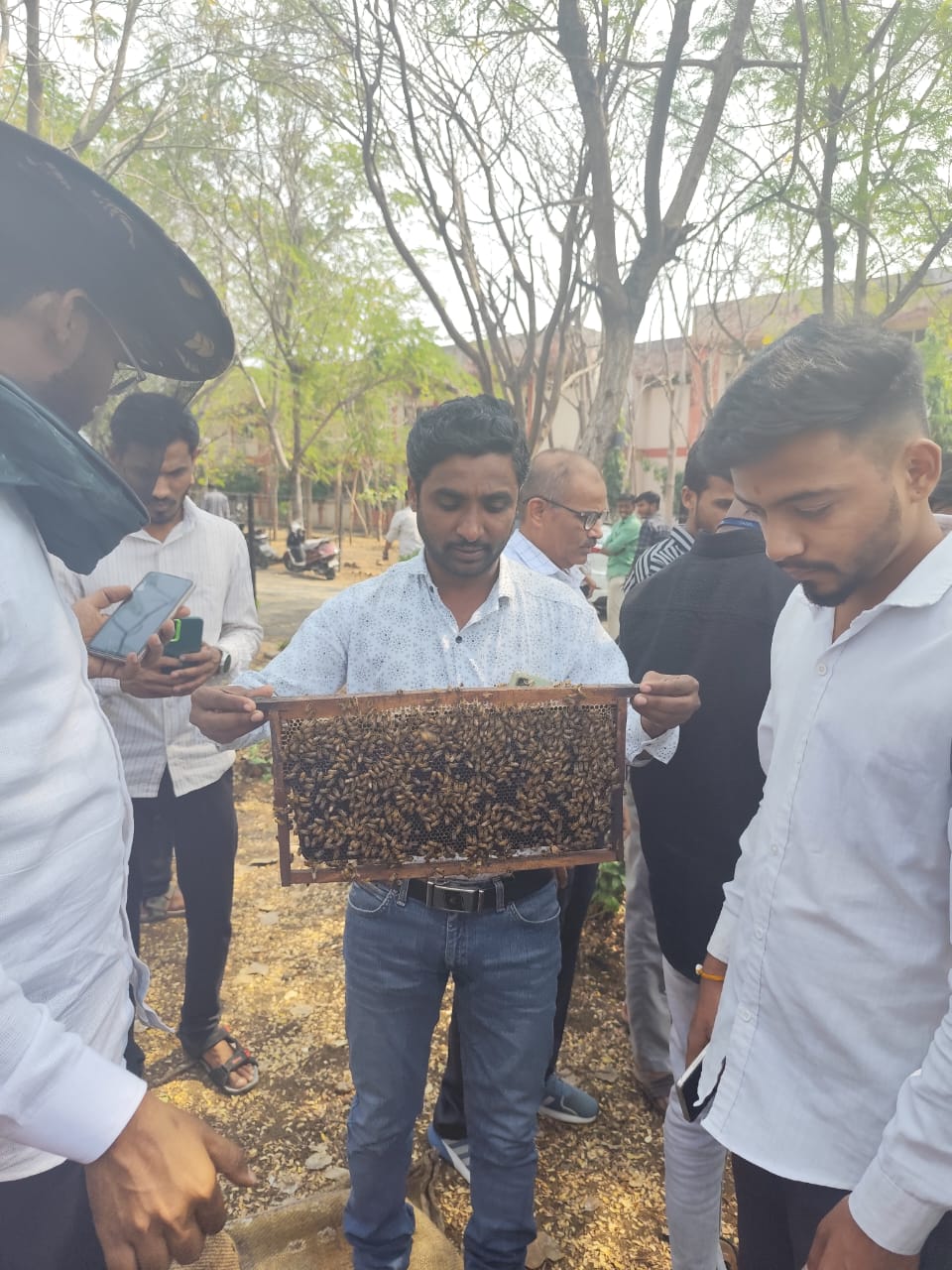
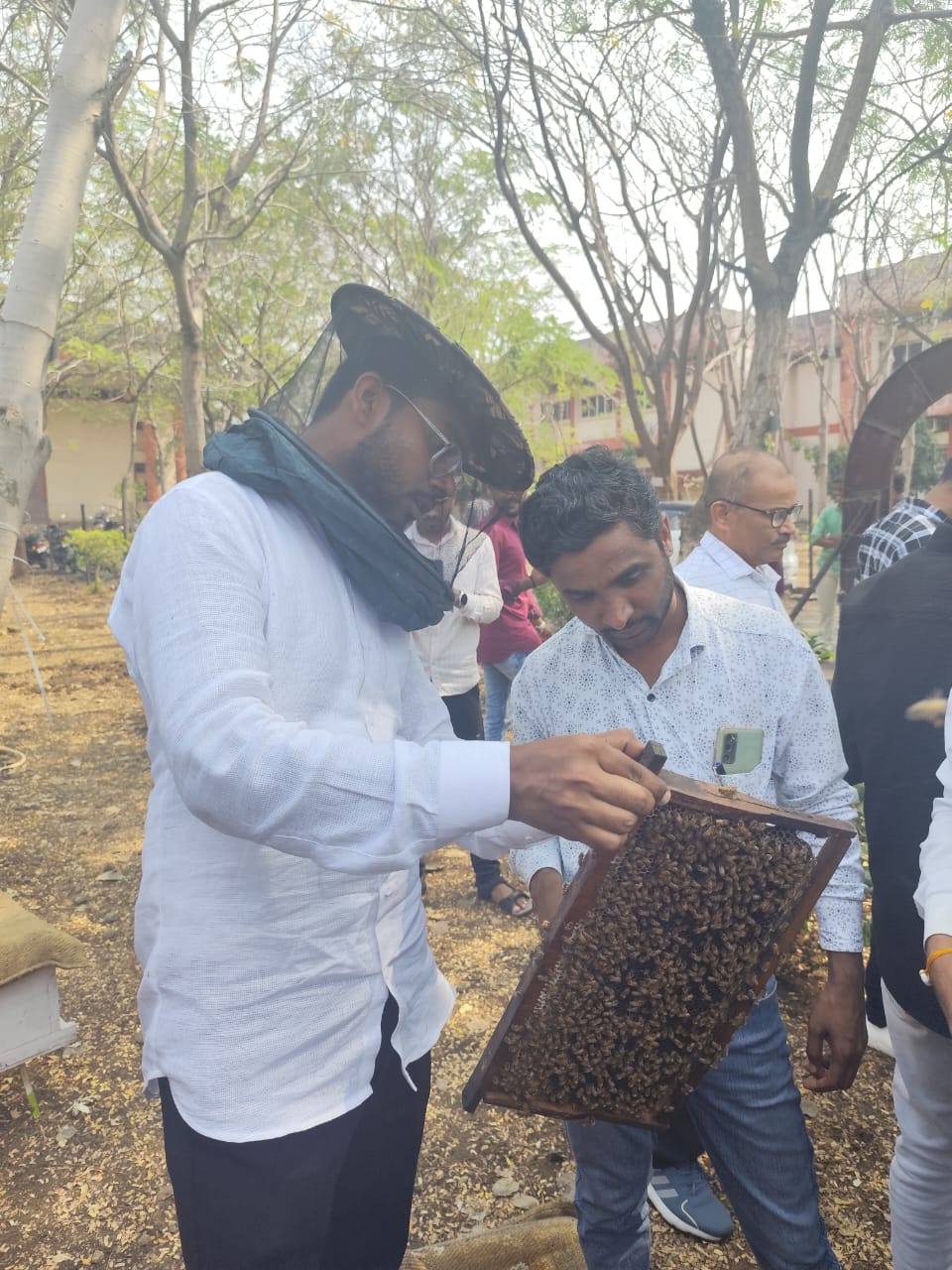
- Apiculture
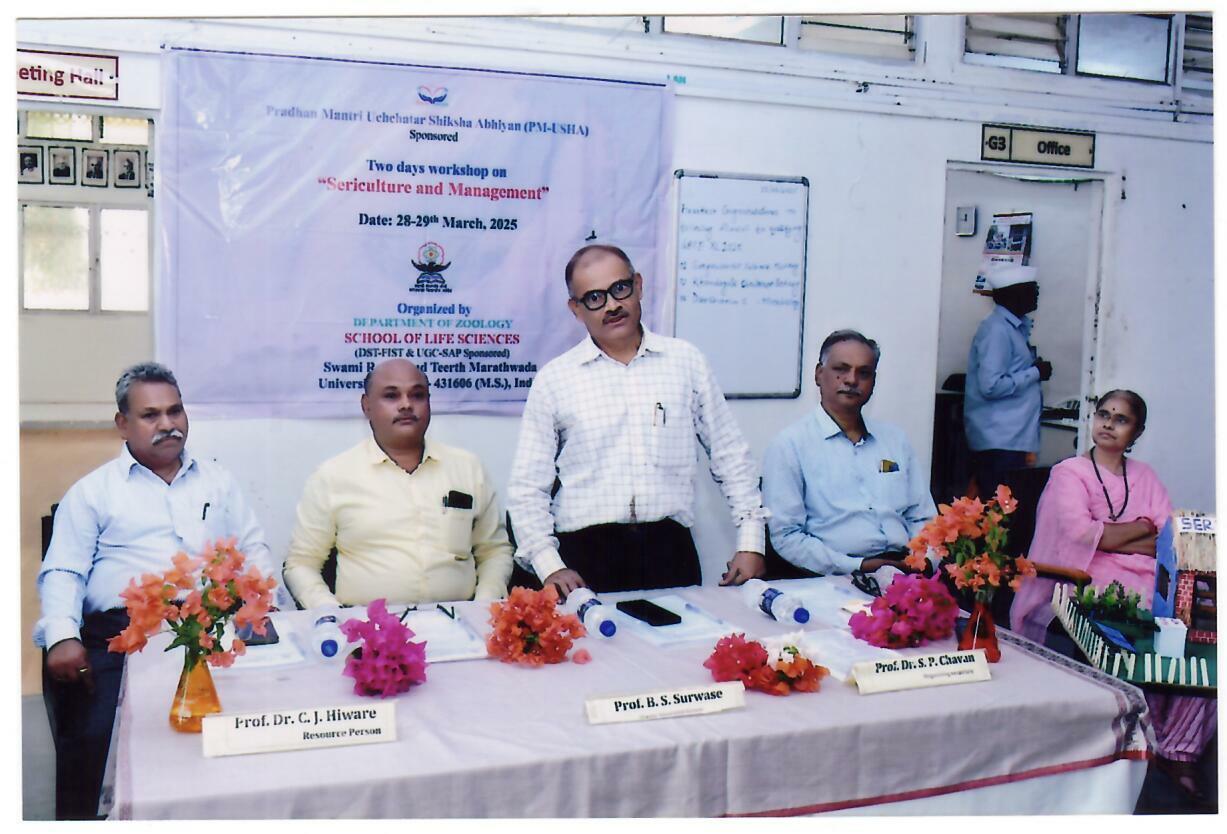
- Sericulture
- Goat farming
Thrust area of research o School of Life Sciences is on anti-biofilm activity potential of bio-molecules, anti-oxidant and anti-sickling activity of formulations under the UGC-SAP Phase-II. In addition to this the faculty members from the School of Life Sciences pursuing research activities in following different areas
- Enzyme, pharmaceutical and Nano-bitechnology
- Bioactive molecules from actinobacteria
- Extremophiles biodiversity
- Plant tissue culture, fruit and vegetable processing.
- Avian ecology, Fish Parasitology
- Mycorhizal diversity
- Phytochemical analysis and biochemistry.
- Microbial enzymes, Biosurfactants and bioactive compounds
- Development of heat tolerant and climate resilient wheat cultivars
Extension activities
- Filaria awareness program at filarial endemic village- Pethwadaj, Dist. Nanded
- Identification of plants having medicinal value
- Popular lectures on Life Sciences.
- Celebration of Biotechnology Day and to dissimilate knowledge of biotechnology.
Following equipments and softwares available at school of Life Sciences
- HPTLC
- Zeiss Microscope with Photography arrangement
- 2D GE
- Fermenter
- UV-visible spectrophotometer
- Microtome Machine
- AAS
- SAR- Software for Bioinformatics
| Sr. No. | Name of student placed/started Business | The program graduated from | Name of the employer/business | Employer/business contact details | Pay package ( ₹ / annum) | Year of Placement |
|---|---|---|---|---|---|---|
| 1 | Rupali Shaligramji Babare | Ph.D.(Zoology) | Swa. Nitin Mahavidhyalaya, Pathri, Dist Parbhani | 91 8605601204 | Assist Prof. Zoology, Regular Scale, UGC | 2023-24 |
| 2 | Dhawale Pratibha | M.Sc. (Microbiology) | School of Life Sciences, SRTM Univ. Nanded | EST Section SRTMUN | 3.0 Lakh/Year | 2023-24 |
| 3 | Milind Gaikwad | Ph.D.(Botany) | Assistant Prof. Botany School of Life Sciences, SRTM Univ. Nanded | EST Section SRTMUN | 3.0 Lakh/Year | 2023-24 |
| 4 | Mr. Govind Apparao Suryawanshi | M.Sc.(Botany) | Asst. Prof., School of Life Sciences, SRTMUN | EST Section SRTMUN | 3.0 Lakh/Year | 2023-24 |
| 5 | Pathan Samreen | M.Sc.(Botany) | Asst. Prof. Botany, SLS, SRTM Univ. Nanded | EST Section SRTMUN | 3.0 Lakh/Year | 2023-24 |
| 6 | Dr. Kanakdande Amruta | Ph.D.(Botany) | Asst. Prof. Biotechnology, School of Lie Sciences, SRTMUN | EST Section SRTMUN | 3.0 Lakh/Year | 2023-24 |
| 7 | Sayyed Shajim | M.Sc.(Zoology) | School of Life Sciences, SRTM Univ. Nanded | 9146057834 | 3.5 Lakh/Year | 2023-24 |
| 8 | Shri Rohi Anil Bhimrao | Post Graduate Diploma in Medical Laboratory Technology (PGDMLT) | Department of Health and Forensic Science | Govt of Maharashtra Health Department /Forensic Science | 7 | 2023-24 |
| 9 | Sachin Sarjerao Shinde | M.Sc.(Botany) | Mr. Sachin Sarjerao Shinde | Assistant Professor, Department of Botany, Vidarbha College of Arts Commerce and Science College Jiwati District Chandrapur. | 1200000 | 2023-24 |
| 10 | Maroti Petkar | M.Sc.(Zoology) | Shri Angarsiddha Shikshan Prasarak Mandal, Angar, Ta. Mohol Dist. Solapur | 7020792801 | Assist Prof. Zoology Regular Scale UGC | 2022-23 |
| 11 | Vishnu Ganesh Jadhav | M.Sc.(Microbiology) | Yeshwantrao Chavan ACS College, Lakhandur Dist Bhandara | 07181-260112 | Assist Prof. Microbiology Regular Scale UGC | 2022-23 |
| 12 | Phule Datta B. | M.Sc.(Microbiology) | Department of Atomic Energy, Tata Memorial Centre, H. B. C. H. Varanasi | 9822368055 | 9.0 lakh | 2022-23 |
| 13 | Ramesh Ramdas Khode | M.Sc.(Biotechnology) | Indusind Bank Ramdaspeth, Nagpur | 9764680154 | 6.5 Lakh | 2022-23 |
| 14 | Sandhya Sudhakarrao Shelke | M.Sc. (Microbiology) | JRF, Maharashtra Pollution Control Board, Chh. Sambhajinagar | 022-24010437 | 5.0 Lakh | 2022-23 |
| 15 | Pinjari Rahim Alladuddin | M.Sc.(Microbiology) | Maharashtra Education Society Udgir, Maharashtra Udaygiri Mahavidhyalaya Udgir | 9923103555 | Assist Prof. Microbiology CHB | 2022-23 |
| 16 | Sunil Bhimrao Jadhav | M.Sc. (Microbiology) | Yeshwantrao Chavan College of Science, Karad, M. S. | 8888758127 | Assist Prof. Microbiology Regular Scale UGC | 2022-23 |
| 17 | Amol Sheshrao Jadhav | M.Sc. (Biotechnology) | Yeshwantrao Chavan Institute of Science, Satara (Autonomous) | 02162-234392 | Assist Prof. Regular Scale UGC | 2022-23 |
| 18 | Dr. Sonali Girdhari | Ph.D. (Biotechnology) | Govt. of India Patent Office | 9373225278 | Business | 2022-23 |
| 19 | Rakhi Sanjay Shinde | M.Sc. (Microbiology) | Swami Vivekanand Shikshan Prasarak Mandal , Udgir | 02385-253970 | Assist Prof. Microbiology | 2022-23 |
| 20 | Rutuja Bankatlal Digraskar | M.Sc. (Microbiology) | Swami Vivekanand Shikshan Prasarak Mandal , Udgir | 9067463720 | Assist Prof. Microbiology 6.0 lakh | 2022-23 |
| 21 | Apurva Abhayrao Hattekar | M.Sc. (Microbiology) | SKBPS, Gangakhed | 8329943695 | 3 | 2022-23 |
| 22 | Kerba Tulshiram Sontakke | M.Sc. (Microbiology) | Reliance Life Science Centre, Mumbai | 9595636265 | 5.1 Lakh | 2022-23 |
| 23 | Dr. Aparna Govindrao Sardar | Ph.D. (Microbiology) | Sinhagad Institute, Pune Ambegao | 9049599867 | 2.5 Lakh | 2022-23 |
| 24 | Dr. Bhagwan Narayan Rekadwar | Ph.D. (Biotechnology) | Assist Prof. at Yenepoya Deemed University, Mengalore | 9422365021 | 15 Lakh/Anum | 2022-23 |
| 25 | Ramdas Ganpatrao Bhong | Ph.D. (Microbiology) | HR Manager DNV Product Assurance, AS, Oslo, Norway | -9892746244 | 3.0 Crores/Anum | 2022-23 |
| 26 | Ingle Anuradha Radhakishan | M.Sc. (Microbiology) | Assit Prof Microbiology, Dayanand SCi. College, Laatur | 8552021882 | 3.5 Lakh/Year | 2022-23 |
| 27 | Joshi Vikas Balasaheb | M.Sc. (Microbiology) | Asst. Prof. Micro. N. B. Mehta Science College, Bordi, Gujrat | 8160267764 | 3.25 Lakh/Anum | 2022-23 |
| 28 | Shinde Anil Chitambar | M.Sc.(Botany) | Asst. Prof. Shri Datta Arts, Science and Commerce College, Hadgaon | 8999201948 | 1200000 | 2022-23 |
| 29 | Shubham Ashokrao Rakhe | M.Sc. (Microbiology) | Zydus Life Sciences Ltd. (Cadila Health Care) Vadodara, Gujarat | -673877 | 6.00 Lakh | 2021-22 |
| 30 | Upadhye Piyush Suresh | M.Sc. (Microbiology) | Cipla India, Mumbai | +91 22 24826000 | 8.0 Lakh | 2021-22 |
| 31 | Sonali Pawar | M.Sc.(Zoology) | Dayanand Education Society, Latus , M. S.. Dayanand Jr. College, Latur | UDISE 27281201014 | 7.5 Lakh | 2021-22 |
| 32 | Walke Deepak Khobaji | M.Sc.(Zoology) | Dnyan Prasarak Mandal’s S. M. D. Mohekar College, Kalamb | 8055922901 | Assist Prof. Zoology Regular Scale UGC | 2021-22 |
| 33 | Sharda Natthu Padghane | Ph. D.(Zoology) | Dnyanopasak Shikshan Prasarak Sanstha, Manora Dist. Washim, M. S. | 07253-233207 | Assist Prof. Zoology Regular Scale UGC | 2021-22 |
| 34 | Jadhav Vishnu Ganesh | M.Sc.(Microbiology) | Yeshwantrao Chavan ACS College Lakhandur, Dist Bhandara | 9518309358 | Assist Prof. Microbiology Regular Scale UGC | 2021-22 |
| 35 | Jadhav Ram | M.Sc.(Zoology) | Bhaskarao Patil Jr College/ Highschool, Shankarnagar, Ta. Biloli, Dist Nanded | 9890969104 | 3.0 Lakh/Year | 2021-22 |
| 36 | Bhagwat Prakash Pawar | M.Sc. (Biotechnology) | Ciron Drugs and Pharmaceuticals P Ltd | Ciron Drugs and Pharmaceuticals P Ltd | 380000 | 2021-22 |
| 37 | Sachin Shinde | M.Sc. Botany | Asst. Prof. , Depart. of Botany, Vidarbha College of Arts, Commerce and Science, Jiwati Dist. Chandrapur. | 9604772859 | 12.0 L | 2022-23 |
| 38 | Anushka Rathore | M.Sc. Botany | IIB Nanded | IIB Nanded | 3.0 L | 2024-25 |
| 39 | Vaibhavi Burande | M.Sc. Microbiology | IIB Nanded | IIB Nanded | 3.0 L | 2022-23 |
| 40 | Aniket Sawake | M.Sc. Zoology | IIB Nanded | IIB Nanded | 3.0 L | 2022-23 |
| 41 | Dr. Jivan Ramesh Kote | M.Sc. Biotechnology | Asst. Prof. VN College, Shirala | 9527593243 | 12.0 L | 2022-23 |
| 42 | Sunil Jadhav | M.Sc. Microbiology | Assistant Professor, Shivaji Education Society Karad | 8888758127 | 12.0 L | 2023-24 |
| 43 | Dr. Savita Wankhede | M.Sc. Botany | Yeshwant College, Nanded | Yeshwant College, Nanded | 12.0 L | 2023-24 |
| 44 | Rajesh Achegawe | M.Sc. Zoology | NES, Science College, Nanded | NES, Science College, Nanded | ||
| 45 | Zuber Khurram Khan | M.Sc. Botany | MNC Mumbai | 9890963497 | 1.8 L | 2024-25 |
| 46 | Mr. Mujahed M Siddiqui | M.Sc. Microbiology | Asst. Prof. Sanjivani Mahavidyalay Chapoli | 9373432353 | 12.0 L | 2022-23 |
| 47 | Dr. Manju Sonune | M.Sc. Botany | Asst. Professor, Pathari | Pathari College, Pathari | 12.0 L | 2022-23 |
| 48 | Dr. Rizwan Khan | M.Sc. Botany | Teacher, Palam | 9665042054 | 6.0 L | 2022-23 |
| 49 | Kiran Narwade | M.Sc. Botany | Teacher, Konkan | 7066066795 | 6.0 L | 2023-24 |
| 50 | Dr. Pankaj Baisthakur | M.Sc. Microbiology | Asst. Prof. Kai. Bapurao Patil Arts and Science College | 9960492294 | 2.4 L | 2023-24 |
| 51 | Shyam Naiknaware | M.Sc. Botany | Asst. Prof. Kai. Bapurao Patil Arts and Science College | 8698809275 | 2.4 L | 2023-24 |
| 52 | Deepak Puri | M.Sc. Zoology | Assistant Professor, Mahatma Phule, College, Ahmedpur | 9561473232 | 12.0 L | 2023-24 |
| 53 | Suresh Bhosale | PGDMLT | Govt. Ayurvedic College Nanded | 7083977095 | 8.4 L | 2023-24 |
| 54 | Venkat Laxman Mhetre | PGDMLT | Govt. Medical College, Parbhani | 9960743468 | 8.0 L | 2023-24 |
| 55 | Gajanan Shravan Sonule | PGDMLT | Laboratory Scientific Officer, Nanded | 8956547093 | 8.0 L | 2024-25 |
| 56 | Amrapali Rajkumar Dhutraj | PGDMLT | Lab Scientific Officer, Nanded | 8600500989 | 6.0 L | 2024-25 |
| 57 | Aditi Chavan | M.Sc. Microbiology | Optum global Solutions, , Hyderabad 500081 | Optum global Solutions, , Hyderabad 500081 | 4.4 L | 2024-25 |
| 58 | Dhananjay Narayan Deshmukh | M.Sc. Botany | Teacher, Aditya Public School, Jintur, Parbhani | 7757837515 | 3.0 L | 2024-25 |
| 59 | Rushikesh Kathkade | M.Sc. Botany | Teacher, SC Jr College, Nanded | 8208633252 | 2.4 L | 2024-25 |
| 60 | Rushikesh Satpute | M.Sc. Botany | Assistant Professor, Madhavrao Patil College, Palam | 8888001005 | 2.8 L | 2024-25 |
| 61 | Khatal Jyoti | M.Sc. Botany | Teacher, Aditya Public School, Jintur, Parbhani | 9767621653 | 4.0 L | 2024-25 |
| 62 | Amolkumar Digambar Ghumanar | M.Sc. Botany | Asst. Professor, Adarsh College, Hingoli | 7020418275 | 3.0 L | 2024-25 |
| 63 | Sajid Aslam Tamboli | M.Sc. Microbiology | USV Pvt. Ltd. | 7028264367 | 2.5 L | 2024-25 |
| 64 | Kunal Laxman Turukmane | M.Sc. Botany | Assistant Professor, Vidha Prasarak Mandal, Kinhavali | 7620288358 | 12.0 L | 2024-25 |
| 65 | Dhammapal Kawade | M.Sc. Botany | Social Welfare Department | 7030110825 | 3.0 L | 2024-25 |
| 66 | Patel Sarfaraz Shafiq | M.Sc. Botany | Project Assistant, IIT Bombay | 9130987446 | 3.0 L | 2024-25 |
| 67 | Vaidhahi Nikhil Sarpe | M.Sc. Botany | Teacher, Aditya Public School, Jintur, Parbhani | 99215 21539 | 3.0 L | 2024-25 |
| 68 | Rutuja Kadam | M.Sc. Botany | LBS College, Dharmabad | 9529028895 | 3.0 L | 2024-25 |
| 69 | Kunal Kamble | M.Sc. Botany | Teacher | 8956367818 | 4.5 L | 2022-23 |
| 70 | Sharyu Bhosale | M.Sc. Botany | Teacher | 9209023091 | 3.0 L | 2024-25 |
| 71 | Snehlata Ramod | M.Sc. Botany | Asst. Professor, B. Raghunath College, Parbhani | 7057014323 | 12.0 L | 2024-25 |
| 72 | Mayuri Godbole | PGDMLT | Lab Technician | 8600172277 | 2.4 L | 2021-22 |
| 73 | Satish Kathode | PGDMLT | Lab Scientific Officer | 7499034676 | 2.4 L | 2021-22 |
| 74 | Vishakha Kapure | PGDMLT | Lab Technician, Nanded | 9579312494 | 3.0 L | 2023-24 |
| 75 | Rameshwar Wankhede | PGDMLT | Shri Clinical Laboratory Loha | 9860124425 | 3.0 L | 2023-24 |
| 76 | Shivraj Toshatwad | PGDMLT | SRF, NIN Hyderabad | 9595798585 | 4.8 L | 2021-22 |
| 77 | Pratap Ghogare | PGDMLT | Lab Scientific Officer, DIMR | 7219733903 | 6.0 L | 2022-23 |
| 78 | Ganesh Jadhav | M.Sc. Biotech | Executive Officer in Virchoe Biotech Pri. Lit Hyderabad | 9022353819 | 2.4 L | 2023-24 |
| 79 | Sharad Surkar | M.Sc. Biotech | SRF Emcure Pharma | 9604470003 | 8.0 L | 2021-22 |
School of Life Sciences welcomes feedback from present students, Alumni, Parents, and employers as per the policies of this University and IQAC. The feedback link is available on the University website.
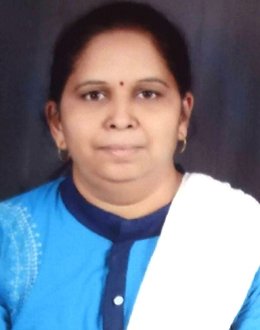
Dr. Hemlata Janardhanrao Bhosle
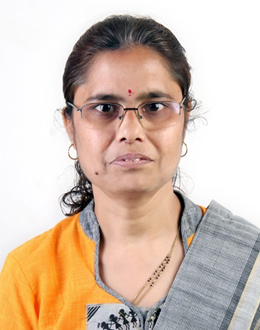
Dr. Anupama Prabhakarrao Pathak
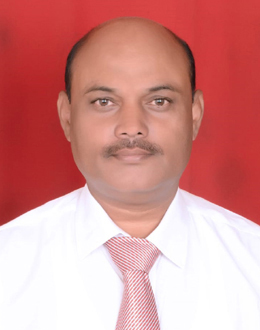
Dr. Babasaheb Shivmurti Surwase
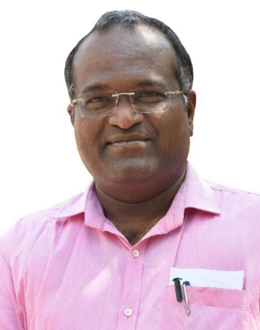
Dr. Laxmikant Haribhau Kamble
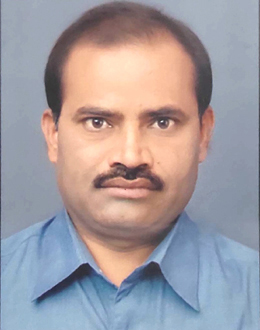
Dr. Shivaji Prabhakar Chavan